
- 10/12/2026
- 161 View
- Comment
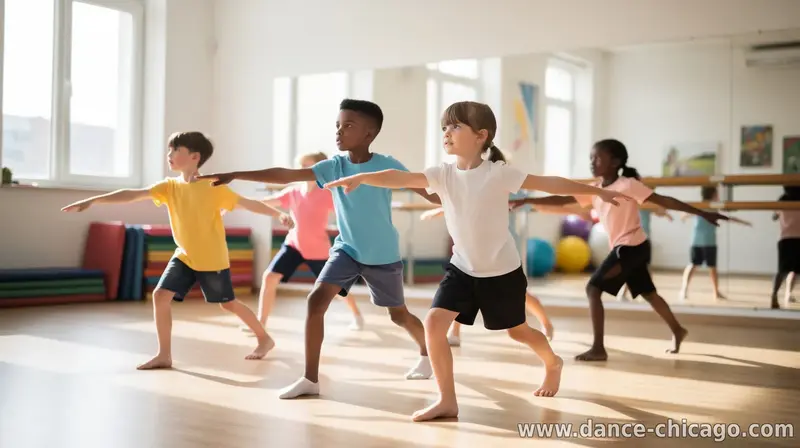
Dance lessons are more than an after-school activity for many children—they can be a practical way to build coordination and focus. By combining movement, music, and guided instruction, dance turns everyday attention and motor skills into something kids practice regularly and enjoy.
For parents and educators, the appeal is straightforward: dance asks children to use their whole bodies while following structured directions. Over time, that combination can improve how children control movement and how long they can sustain attention during tasks.
Coordination grows through pattern practice
Coordination involves coordinating different parts of the body—like arms and legs—while maintaining balance and timing. In dance classes, children repeat step sequences that gradually become more complex. That repetition encourages smoother transitions, better spatial awareness, and more consistent control of posture and footwork.
Many dance styles also require rhythm-based movement, which helps children synchronize what they see and hear with what they do. Whether it’s tapping steps to a beat or holding positions for a count, kids learn to manage timing as part of their physical coordination.
Focus improves with cues, counting, and memorization
Dance instruction commonly relies on cues—verbal directions from the teacher, visual demonstrations, and music-driven timing. Children must listen, process instructions, and execute the next movement at the right moment. This cycle can strengthen sustained attention and working memory, especially when classes include short combinations that kids must remember and reproduce.
Counting is another focus-builder. When children follow counts or beat-based cues, they practice staying on task even as the sequence changes. Over multiple lessons, that structure can make it easier for kids to concentrate in other settings that require step-by-step execution.
Confidence and engagement can boost learning outcomes
Beyond coordination and focus, dance often supports motivation. When children feel successful—whether it’s mastering a new move or improving transitions—they’re more likely to stay engaged. Increased engagement can translate into more practice time, which reinforces both motor skills and concentration.
Group classes also add a social element: children often watch classmates, learn from peer cues, and respond to shared performance goals. That environment can create a natural reason to pay attention and follow instructions.
What parents can look for in a kid’s dance program
Not all classes deliver the same developmental benefits. Parents may want to choose programs with age-appropriate choreography, clear instruction, and a supportive atmosphere. Look for instructors who break movements into manageable parts, provide consistent feedback, and keep sessions structured without overwhelming young learners.
- Clear, step-by-step teaching for beginners
- Frequent repetition with gradual increases in difficulty
- Music and rhythm that match the child’s age and skill level
- Positive reinforcement and safe technique
- Opportunities to demonstrate and celebrate progress
When instruction balances structure with fun, kids are more likely to practice attentively and keep improving.
Dance lessons offer a unique blend of physical activity and mental focus. By repeatedly practicing coordinated movements and responding to rhythmic cues, children can develop stronger control of their bodies and improved attention to instructions—skills that extend well beyond the dance studio.
Related materials
Be the first to share your opinion with others.