
- 09/22/2026
- 173 Views
- Comment
For many families, parenting a child with ADHD and sensory processing challenges can involve constant problem-solving—especially around transitions, attention, and how the child responds to sounds, textures, or crowded spaces. Increasingly, clinicians and educators are turning to movement-based approaches, including dance, as a practical way to support regulation, communication, and skill-building through structured fun.
While dance is not a replacement for medical care or evidence-based ADHD treatment plans, it can complement them by offering an engaging format for practice: repeated movement, clear cues, and a predictable rhythm that helps children organize their bodies and attention.
Why movement matters for attention and self-control
ADHD often affects a child’s ability to sustain attention and control impulses—not just in academic settings, but in everyday life. Dance provides frequent “small wins” because it transforms concentration into action: follow the beat, copy the move, and transition when the music changes. That repeated cycle can make it easier for some children to stay engaged compared with activities that rely mainly on sitting still.
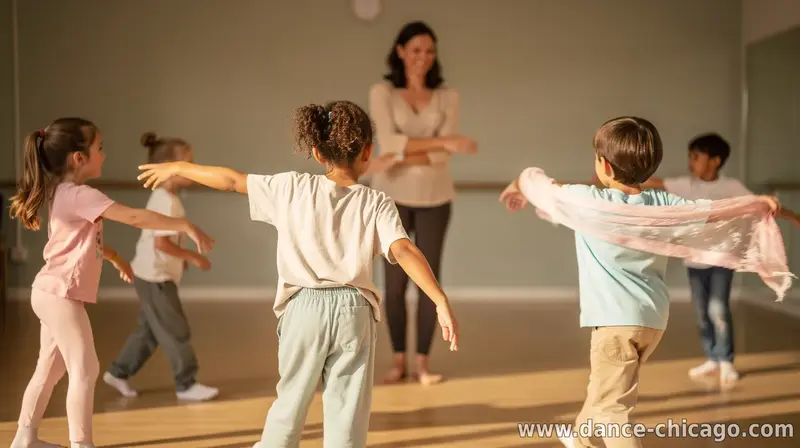
Many dance classes use structured warm-ups, step-by-step instruction, and short sequences with visible goals. Over time, children may learn to anticipate what comes next, which can reduce restlessness and help them practice patience and sequencing.
Rhythm supports sensory regulation
Sensory processing differences can make normal environments feel overwhelming or under-stimulating. Dance offers controlled sensory input: consistent auditory rhythm, coordinated movement through space, and proprioceptive pressure from jumping, stomping, or weighted body positions (when appropriate and safe).
Rhythm is especially helpful because it gives the nervous system a reliable pattern. For some children, moving to music can “organize” sensations—making it easier to tolerate classroom noise, manage transitions at home, or calm down after busy days.
In addition, dance can serve as a socially acceptable way to meet a child’s need for movement. Instead of viewing fidgeting or restlessness only as a behavioral issue, caregivers can see it as sensory information that the child is trying to process.
Coordination and body awareness build confidence
Dance naturally trains motor planning and coordination—skills that can be harder for children with ADHD or developmental coordination challenges. Following choreography requires a child to plan a sequence, remember it briefly, and adjust when the instructor changes direction.
Over time, that practice can strengthen body awareness: understanding where their limbs are in space, how much force to use, and how to transition between poses. For kids, improved coordination often translates into greater confidence, which can improve motivation and willingness to try new tasks.
A safe, inclusive setting can improve emotional skills
Dance classes also offer predictable structure and supportive social interaction. When teachers use clear verbal cues, visual demonstrations, and positive reinforcement, many children experience fewer misunderstandings and more successful participation.
That environment can help kids practice emotional regulation—learning how to start when prompted, pause, reset, and rejoin the activity after getting frustrated. These are the same kinds of skills families often work on at home, but in a format that feels playful and engaging.
How to choose a dance approach for sensory needs
Not every dance style or studio will fit every child. Families may consider programs that emphasize clear instruction, manageable group sizes, and flexibility for movement preferences. Instructors who understand sensory processing often provide options such as alternative movements, “quiet corners,” or individualized cues.
When trialing a class, it can be helpful to watch for whether the child can follow basic instructions with support, tolerate the noise level, and recover after mistakes. A good fit usually combines structure with choice—so the child can participate fully while still feeling in control.
Parents can also communicate with instructors about triggers and strategies that work elsewhere (for example, using headphones for sensory overload, providing advance warnings before transitions, or allowing movement breaks).
What families may notice over time
While responses vary, caregivers frequently report practical changes such as improved ability to transition between activities, more consistent attention during preferred tasks, and better regulation after overstimulating events. Some children also show growth in social confidence—especially when dance is taught as teamwork, turn-taking, and shared creativity rather than performance pressure.
To maximize benefits, dance works best as part of a broader plan: medical guidance when needed, supportive routines at home, and sensory-friendly accommodations in school and community settings.
For families seeking an encouraging, low-barrier activity, dance can be more than entertainment. In the context of ADHD and sensory processing support, it offers a rhythmic, structured way for children to learn body control, build attention through movement, and develop coping skills they can carry into everyday life.
Related materials
Be the first to share your opinion with others.