
- 08/23/2026
- 54 Views
- Comment
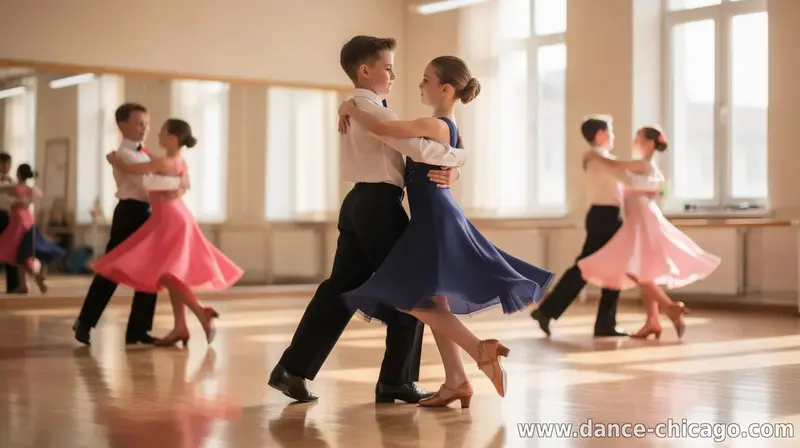
Ballroom dance is often viewed as a creative activity, but many parents and youth program leaders say its greatest value for children lies in what it teaches beyond the steps. From daily rehearsal routines to partner etiquette, ballroom classes can reinforce discipline, self-control, and social confidence in a way that feels engaging to kids.
In most youth programs, lessons follow a clear structure: warm-ups, technique drills, practice with cues, and then social elements like partnering and group rotations. That consistency helps children learn how to manage their time, listen for instructions, and keep practicing until a skill improves.
Discipline through routine, repetition, and goals
Because ballroom has defined patterns, it offers an immediate framework for progress. Kids often start by learning basic frame and footwork, then move to turns, timing, and coordination. Repetition—paired with measurable goals like “hold posture for the full song” or “complete a turn without losing balance”—teaches persistence and follow-through.
Instructors also emphasize attention to detail. Small changes in posture, rhythm, and spacing can affect the entire dance, which encourages children to take feedback seriously. Over time, that practice can translate into everyday habits such as staying focused during homework, preparing for activities, and meeting expectations.
Social skills through partner work and respectful etiquette
Ballroom dance naturally involves interaction, but it’s interaction with clear rules. Partnering requires listening, coordinating, and communicating nonverbally—skills that can be challenging in group settings but become more comfortable with practice. Kids learn to wait their turn, respect personal space, and respond to a partner’s cues.
Etiquette also plays a role. Many programs teach behaviors like greeting partners appropriately, maintaining a supportive mindset, and celebrating progress rather than competing aggressively. Those norms create a low-stakes social environment where children can practice empathy and cooperation.
For shy or anxious kids, structured partner rotations can be a gentle pathway to building confidence. Knowing the “script” of dance—how to begin, when to switch, and what to do next—can reduce social uncertainty and make it easier to engage.
Confidence, emotional regulation, and teamwork
Ballroom classes frequently involve performance moments, such as showing a new combination to the group. While that can feel intimidating at first, repeated exposure helps children manage nerves and build resilience. Coaches often frame mistakes as part of learning, which supports emotional regulation and encourages kids to stay calm when things don’t go perfectly.
At the same time, ballroom is teamwork. Even though one partner may lead, both contribute to the final result. That shared responsibility can help children understand collaboration—how progress improves when everyone stays engaged, supportive, and ready to adjust.
Parents considering dance for their child often ask whether it’s “too competitive.” Many youth ballroom programs focus more on growth than rankings, using friendly milestones and encouragement. The emphasis on technique, manners, and practice tends to make lessons feel constructive rather than stressful.
As schools and community organizations search for activities that develop both confidence and character, ballroom dance stands out for its blend of discipline and relationship-building. For kids, the payoff can be more than a new hobby—it's a toolkit for focus, social interaction, and steady self-improvement that can carry into school and beyond.
Related materials
Be the first to share your opinion with others.