
- 09/20/2026
- 183 Views
- Comment
For many shy children, speaking up, trying new activities, or joining group settings can feel intimidating. Increasingly, educators and youth organizations are turning to dance as a way to support confidence building—because it blends creativity, rhythm, and teamwork without requiring children to “perform” in the traditional sense.
Unlike some classroom activities that depend heavily on verbal participation, dance offers an alternative pathway to communication. Through movement, children can explore emotions and ideas privately at first, then gradually share them in a group—often making the transition from reluctance to engagement smoother.
Why dance can help shy children feel safer
Confidence grows when children experience success that feels within reach. In well-designed dance settings, instructors set clear routines and gentle expectations. That structure reduces uncertainty, while repeated practice helps children internalize basic steps, making them more comfortable over time.
Many shy children also benefit from the “permission” dance provides. When their body takes center stage, they can participate without needing to dominate conversation. Movement becomes a form of expression that doesn’t rely on eye contact or speaking skills, which can lower anxiety for kids who feel self-conscious.
What makes a program supportive—not pressuring
Special attention is often given to how activities are paced. Programs that prioritize choice—such as letting children pick simple variations of choreography or choose the level of participation—tend to feel less threatening. Likewise, instructors who emphasize effort over outcome help children avoid the fear of being judged.
Positive feedback can be especially important. Instead of focusing on whether a child “gets it right,” coaches may reinforce specific progress: trying a new motion, staying with the group, or practicing through a difficult moment. Over time, these small wins can build a stronger sense of capability.
The social side: confidence through connection
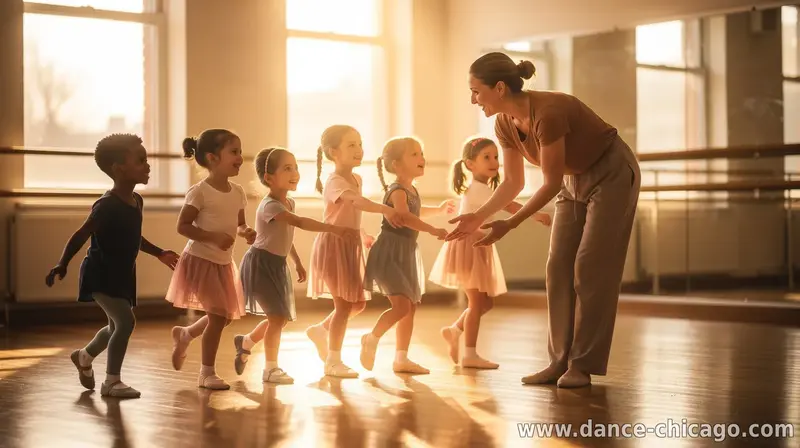
Even when a child initially participates quietly, dance groups can foster belonging. Shared counts, synchronized movements, and group formations create opportunities for connection that don’t depend on immediate conversation. As comfort increases, children often begin to engage more—smiling, observing others more closely, and eventually joining in with more independence.
Some programs also incorporate brief, child-friendly interaction games that are movement-based rather than verbal-heavy. These activities can help shy children practice social presence in a way that feels natural and structured.
How parents and caregivers can support progress
Outside the studio, adults can help maintain momentum by celebrating practice rather than performance. Encouraging short daily movement sessions—dancing to a favorite song, trying a single learned step, or inventing simple moves—can reinforce the idea that learning is continuous and pressure-free.
It’s also helpful to frame dance as personal growth. When children feel that their journey matters, they’re more likely to keep showing up, even when they’re nervous at first.
As more dance initiatives focus on inclusive, confidence-building approaches, shy children are finding a supportive route to self-expression. With consistent structure, kind coaching, and an emphasis on effort, dance can turn hesitation into participation—and participation into lasting confidence.
Related materials
Be the first to share your opinion with others.