
- 10/12/2026
- 169 Views
- Comment
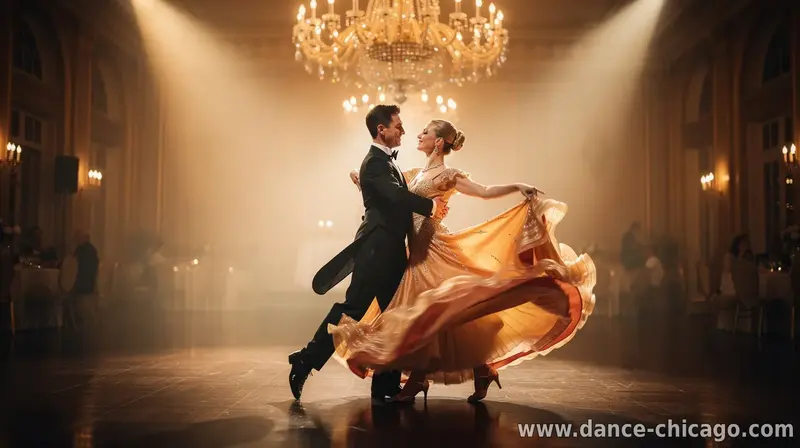
Ballroom dancing is often associated with formal events and polished routines, but for many couples it has become something more personal: a fun, structured way to reconnect. Unlike activities that rely on screens or fast-paced performance, ballroom dancing asks partners to listen, coordinate, and move together—creating natural opportunities to talk, laugh, and learn side by side.
At its best, the practice turns “time together” into a shared experience. Whether it’s a first lesson or a regular weekly class, couples can focus on the same small objectives—posture, timing, footwork, and musical cues—while building trust and comfort on the dance floor.
Why couples enjoy ballroom dancing
One reason ballroom dancing stands out is its clear structure. Partners typically follow the same sequence of steps, which reduces decision fatigue and makes progress feel tangible. The close connection between partners also encourages attention and communication: leaders guide, followers respond, and both adapt in real time as they learn.
“It’s the rare activity where you can be fully engaged without needing conversation on demand,” couples often find. The music provides a shared rhythm, and the instructor’s cues make it easier to concentrate on technique rather than overthink.
Getting started: choose a style and a class
Couples can begin with popular styles such as foxtrot, waltz, cha-cha, or tango, depending on the vibe they want. Waltz and foxtrot can feel smooth and romantic, while cha-cha adds playful energy. Tango, meanwhile, often appeals to couples who enjoy drama and precision—though it may take a little more practice to master.
When selecting a class, look for beginner-friendly courses that include partner guidance, basic hold and frame instruction, and an emphasis on comfort. Many studios also offer “couples only” sessions, which can help partners feel less self-conscious and more supported as they learn together.
Make it sustainable with small goals
To keep ballroom dancing enjoyable, it helps to set realistic milestones rather than chasing perfection. Early wins might include remembering a short step sequence, maintaining consistent timing, or completing a turn without losing balance. A couple doesn’t need to “look like the pros” to benefit—the goal is connection and confidence.
Planning helps, too. Try committing to one class per week and adding a brief practice at home—five to ten minutes focused on a single step or transition. Even a short routine can reinforce muscle memory and reduce the frustration that sometimes comes with forgetting what you learned.
Finally, couples can celebrate progress in simple ways: choosing a favorite song to practice, attending a local dance social, or setting a date-night goal like dancing together at an upcoming event. When the activity feels like a shared tradition rather than a chore, motivation stays high.
Ballroom dancing for couples isn’t just about learning moves—it’s about building a rhythm as a team. With the right style, supportive instruction, and small, steady goals, couples can turn a few steps into something meaningful: more presence, more laughter, and a renewed sense of closeness.
Related materials
Be the first to share your opinion with others.