
- 09/20/2026
- 172 Views
- Comment
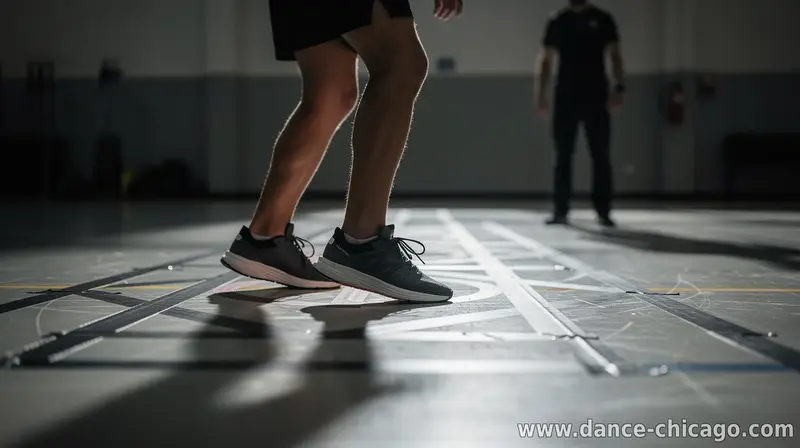
Most beginners focus on what they can see clearly: grip, stance, power, or technique. But the often-overlooked driver behind performance is footwork—the way your feet move, land, and reset. Whether you’re learning a sport, martial art, dance, or court-based game, footwork quietly determines how well you can react, generate momentum, and repeat good form under pressure.
Footwork matters because it controls your balance. A technically sound move with poor foot placement usually forces you to compensate with your upper body. That compensation leads to wasted motion, shaky timing, and a higher chance of slipping or losing stability—especially when things speed up.
It also shapes speed. Beginners often chase faster hands or bigger swings, but speed is frequently limited by how quickly you can reposition your body. Efficient footwork reduces the distance and time your body must travel between positions, allowing you to get into the “ready” spot earlier and faster.
Another major reason footwork is so important is that it improves accuracy. When your feet land in the correct position, your joints align naturally, which makes it easier to aim, hit, strike, or execute cleanly. Without that foundation, your technique becomes inconsistent—sometimes landing well, other times missing, even when your effort feels the same.
How footwork builds better technique
Footwork doesn’t just support technique; it teaches your body how to sequence movement. Good steps help you time your weight shift and create a stable base for the action that follows. Over time, your skills become more repeatable because you’re not relying on brute strength or last-second corrections.
In many training environments, coaches can spot footwork problems quickly: feet landing too wide or too narrow, unnecessary steps during transitions, or getting “stuck” after an action instead of returning to a balanced position. Fixing these issues often improves performance more than adding new moves.
Common beginner mistakes to avoid
Beginners frequently move their feet without a clear purpose—stepping in place, crossing lines unnecessarily, or changing direction late. These habits create extra movement and slow your reaction time. Another common issue is practicing with flat, rigid movement patterns instead of learning how to adjust to different distances and angles.
Start thinking of footwork as a system: move to prepare, move to execute, then move to recover. That mindset helps you treat each step as part of the skill rather than as “just getting there.”
Practical next steps
If you’re a beginner, prioritize drills that train movement quality over raw speed. Focus on controlled steps, consistent spacing, and returning to a stable stance after each action. Keep sessions short but frequent—quality repetitions build the nervous system faster than occasional, intense practice.
As your footwork improves, you’ll likely notice the rest of your game catching up: technique feels more natural, timing sharpens, and fatigue drops because you’re no longer fighting your own balance. The surprising truth is that footwork isn’t a separate skill—it’s what makes everything else work.
Related materials
Be the first to share your opinion with others.