
- 09/20/2026
- 208 Views
- Comment
When your child says they want to quit dance, it can feel like a lost goal—especially if you’ve invested time, money, and hope. But a sudden change in interest doesn’t automatically mean dance is “wrong” for them. Often, it’s a signal that something specific isn’t working anymore: stress, boredom, discomfort, fear of failure, or simply a desire for something different.
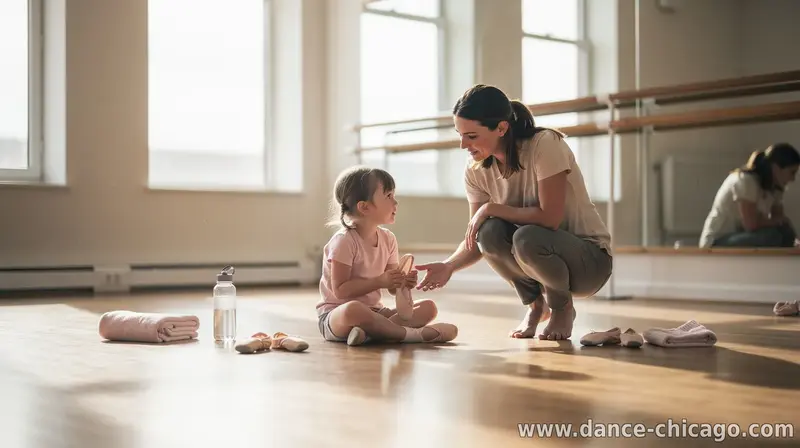
The first step is to slow down and treat the request as information, not as defiance. Ask what’s behind the decision and listen without immediately arguing, negotiating, or trying to “fix” the problem too fast. A calm, curious conversation can reveal whether your child wants to quit entirely or wants change—like a different instructor, less intense practice, or a break to recharge.
Start with the real reasons
Try questions that invite specifics: “What don’t you like about dance right now?” “Is it the classes, the teacher, the other dancers, or practice at home?” “How do you feel when it’s time to go?” Their answers can help you separate short-term frustration from deeper concerns.
Common reasons children want to stop include feeling out of place, experiencing pressure to perform, bullying or social tension, pain or discomfort in their body, difficulty keeping up with the choreography, or simply not enjoying the style anymore. Sometimes the issue is emotional—like anxiety around recitals or fear of being judged—rather than a lack of interest in dance.
Have a “support plan” conversation
Once you understand the reason, decide whether you’ll pursue a solution or respect a full exit. You can offer a time-limited support plan: for example, “Let’s try this one adjustment for four weeks and then decide again.” This helps your child feel heard while still giving the situation a fair chance to improve.
Potential adjustments might include speaking to the instructor about expectations, changing class levels, reducing practice time, or pairing dance with a more flexible schedule. If there are safety or body concerns—pain, repeated injuries, or discomfort—consider a break and consult a qualified professional before returning.
Encourage autonomy and set expectations
Children often want control when they’re unhappy, overwhelmed, or unsure. You can honor that need by involving them in decisions: whether to take a short break, switch to a different dance style (hip-hop, contemporary, jazz, ballet), or move to a less competitive environment. Autonomy doesn’t mean there are no expectations—it means the expectations are shared and age-appropriate.
It can also help to clarify what “quit” means. For some kids, it’s a total stop; for others, it may mean pausing until they feel confident again. A short, structured “cooling-off” period can reduce conflict and help you both learn what your child actually wants.
Consider a graceful exit if quitting is the right call
If your child remains consistent and the reasons are unlikely to change, a respectful exit can be the healthiest choice. You can thank them for the effort they’ve already put in and help them land positively—by planning a final class or performance date, storing costumes, and talking about what they learned.
To prevent “what if” feelings later, you might set a simple closure: “You’re allowed to quit. We’ll keep this decision kind and intentional. If you want to try again later, we can talk about it then.” This approach reinforces that their feelings matter and that quitting is not the same as failing.
Keep the focus on well-being—not performance
Regardless of the outcome, aim to protect your child’s self-esteem. Avoid framing the decision as laziness or disrespect for your investment. Instead, emphasize that dance should be a place where they feel safe, challenged in a healthy way, and happy to participate. If the current setup doesn’t meet those needs, adjusting the environment is a reasonable response.
When children feel listened to and supported, they’re more likely to communicate early next time—before resentment builds. Whether you decide to troubleshoot, pause, switch classes, or leave the studio entirely, the goal is the same: help your child make a thoughtful choice that supports their emotional and physical well-being.
Next steps: Have a calm conversation about the specific reason, decide whether a short trial solution makes sense, and if quitting is chosen, close the chapter positively and keep the door open for future interests.
Related materials
Be the first to share your opinion with others.