
- 09/20/2026
- 39 Views
- Comment
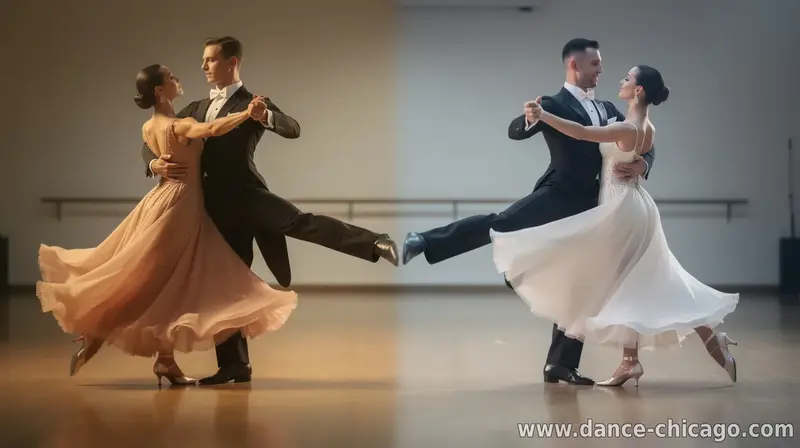
Slow Waltz and Quickstep may both belong to ballroom dance, but they live at very different tempos. The challenge for many dancers isn’t learning the steps in isolation—it’s switching smoothly when the music changes, keeping balance, timing, and character intact.
Start with the musical “map” of each dance
Before you practice movement, internalize what “time” feels like in each rhythm. Slow Waltz is characterized by longer, flowing phrases—your motion tends to stretch across the beat. Quickstep compresses energy into shorter, sharper actions, often emphasizing spring, speed, and quick directional changes.
A useful approach is to clap or count along to the music while staying still. Mark where you feel the main pulse, then add a simple sway or step pattern only after the timing feels natural. This builds the mental cue you’ll later use under pressure.
Use posture and frame to handle the tempo shift
Tempo changes often break down because the frame relaxes too much in the slow dance—or tenses up in the quick one. Aim for a consistent, stable posture while letting the limbs and weight transition match the speed of the music. In practice, keep your core engaged and your head position steady, then adjust only the timing of your rise, fall, and weight transfers.
If you find yourself rushing in Slow Waltz, exaggerate the “length” of your body movement without increasing effort. If you find yourself going stiff in Quickstep, reduce upper-body tension and allow your action to rebound more naturally.
Practice transitions as a drill, not a full routine. Set a metronome or track that alternates between the two tempos. For each switch, start with three checkpoints: (1) where your weight first arrives, (2) how quickly your next step follows, and (3) whether your momentum carries you past the next beat. Repeat until the pattern becomes predictable.
For example, when moving from Slow Waltz into Quickstep, focus on shortening the travel time of your feet and increasing the responsiveness of your legs. When moving from Quickstep into Slow Waltz, prioritize smoothing the arrival—reduce bounce, then allow your movement to “settle” into longer lines.
Partnering can magnify tempo mistakes, so coordinate early. Agree on what “the switch” means: is it triggered by a specific bar, a musical accent, or your leader’s first weight change? Practice with clear communication—especially if the switch happens mid-phrase—so you both cue the same moment.
Record a few practice rounds (even phone video). Look for telltale signs: rushed rise and fall, delayed weight transfer, or steps that look correct but land on the wrong part of the beat. Then target one issue at a time for the next session.
Finally, train under realistic conditions. Once tempo switches feel clean in isolation, try short “performance blocks”: 30–60 seconds of Slow Waltz followed by 30–60 seconds of Quickstep, repeated with gradual increases in speed. Over time, your body learns not only the steps, but the exact moment to recalibrate.
With consistent musical counting, stable frame control, and transition-specific drills, you’ll build the skill to move between Slow Waltz and Quickstep confidently—keeping both timing and dance character on track.
Related materials
Be the first to share your opinion with others.