
- 09/22/2026
- 152 Views
- Comment
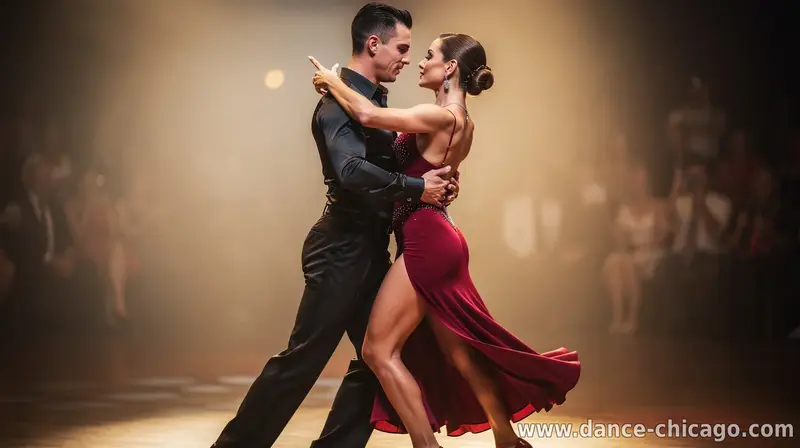
Rumba has long been described as a dance of feeling, but its true signature is connection. Whether performed socially in a crowded room or taught in a studio, rumba invites partners to listen with their bodies—aligning timing, responding to weight shifts, and communicating through posture.
At the center of rumba is a conversation between movement and music. The dancers’ hips and steps trace the groove, while the upper body and facial expression shape the emotional tone. In many traditions, that blend of physical rhythm and expressive presence is what makes rumba feel intimate even when the choreography is structured.
Cuban roots and a global journey
Historically linked to Afro-Cuban musical and dance forms, rumba grew from community celebration and cultural storytelling. Over time, the dance and its associated rhythms crossed borders—adapting to new settings while retaining an emphasis on interplay between dancers and the beat.
As rumba entered international performance spaces, it evolved into recognizable formats for ballroom and stage. Yet many teachers and practitioners argue that the “real” rumba still lives in the relationship: the sense that one dancer is guiding the other through timing, not through force.
What makes rumba different
Unlike dances that rely primarily on speed or large traveling patterns, rumba tends to prioritize control and musicality. Even when steps look simple, the details matter: how smoothly weight transfers from one foot to the other, how the shoulders and arms frame the movement, and how pauses land in the music.
Connection also shows up in styling. Many interpretations emphasize a grounded stance and a deliberate torso angle, which helps create visible “intent” in each figure. The result is a dance that can look romantic, grounded, playful, or powerful—depending on how the partnership responds to the rhythm.
Connection in technique: lead, follow, and listening
In partner rumba, the most effective communication is often subtle. A good lead is felt through timing and body placement, while a strong follow uses awareness—maintaining balance and adapting to the partner’s cues. Instead of treating the dance as a sequence to memorize, dancers focus on the moment-to-moment exchange.
That listening culture can be especially important for learners. In a beginner-friendly environment, teachers often encourage practice with smaller sets of steps, highlighting how partners can stay aligned without overcomplicating the movement. Over time, the dance becomes less about doing and more about responding.
Why it still resonates
Today, rumba continues to attract dancers because it balances structure with expression. It offers enough form to be teachable, yet enough openness to let personalities show through. In social settings, it’s also a practical gateway into partner dancing—because the emphasis on connection makes it easier to build rapport quickly.
In short, rumba’s lasting appeal comes from its premise: the best movement happens when two people share the same musical truth. Step by step, count by count, it turns rhythm into relationship—and that’s a connection you can feel long after the music stops.
Related materials
Be the first to share your opinion with others.