
- 09/21/2026
- 130 Views
- Comment
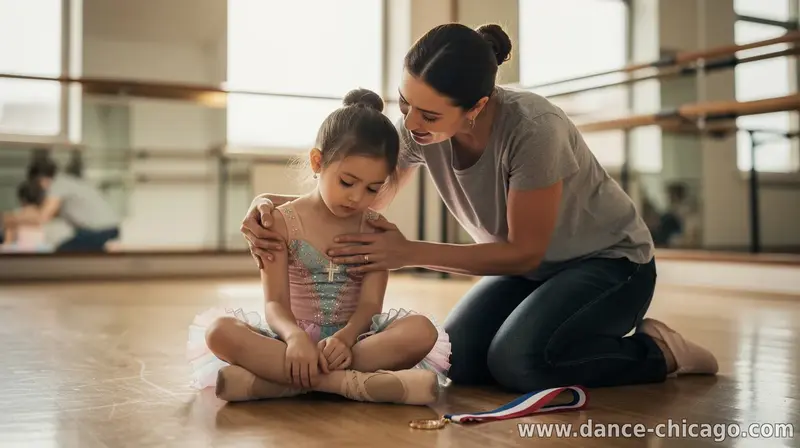
When a child doesn’t place well at a dance competition, the moment can feel bigger than the event itself. A supportive conversation right after the performance can help them process disappointment, understand what they can control, and stay motivated for what’s next.
Start by acknowledging their feelings rather than immediately pivoting to “it’s fine” or “next time.” If your child looks upset, say something simple and specific like, “That was hard to watch,” or “I can see you’re disappointed.” This tells them their emotions are valid.
Lead with connection, then keep the message consistent
Once you’ve reflected their feelings, follow with a reassurance that doesn’t erase the loss. For example: “It hurts when you work so hard and don’t get the result you wanted—and I’m proud of the way you showed up.” The goal is to separate their worth from the scoreboard.
Avoid questions that put them on the defensive (like “Why didn’t you try harder?”). Instead, use supportive prompts: “What part felt best?” “What did you learn from that routine?” “How did it feel in your body when you made the turn?” These steer the conversation toward reflection, not blame.
Talk about effort and growth, not just outcomes
For many kids, losing can trigger thoughts like “I’m not good” or “I’ll never improve.” Gently counter that by focusing on controllable behaviors: practice, preparation, listening to coaching, and consistency. You can frame it as: “Your result is one moment. Your progress is built from many moments—like the work you’ve been doing.”
If your child brings up fairness or mistakes, keep it balanced. Acknowledge what went wrong without dwelling on it: “You’re right—there was a moment where it didn’t land the way you wanted.” Then add, “Let’s figure out one or two things we can practice to make it stronger.”
Help them make a realistic, motivating plan
After emotions settle, shift toward a concrete next step. Ask for their input so the plan doesn’t feel imposed: “What’s one thing you want to work on next?” “Do you want to practice something for accuracy, timing, or confidence?” Setting a small target can restore a sense of agency.
You can also suggest a “practice plus” approach rather than an all-or-nothing mindset. For example, one weekly focus area (like cleaner footwork) paired with one confidence routine (like running the routine once with music and steady breathing). Celebrate completion, not perfection.
Reinforce good sportsmanship and identity beyond dancing
Competition results don’t define your child’s character. Remind them that judges saw one performance under specific conditions, while you value how they behave—effort, discipline, kindness, and resilience. If they’re upset with themselves, steer them back to identity: “You’re a dancer, and dancers improve. You showed courage by performing even when it was high-pressure.”
Finally, watch for signs that the loss is affecting their well-being—sleep, appetite, or sudden fear of practicing. If distress lasts, consider involving a trusted instructor or counselor. A supportive adult network can help your child feel safe trying again.
With the right words and a steady plan, a losing day can become a turning point. Your child learns that disappointment is part of growth—and that their determination, not a placement, is what carries them forward.
Related materials
Be the first to share your opinion with others.