
- 09/20/2026
- 82 Views
- Comment
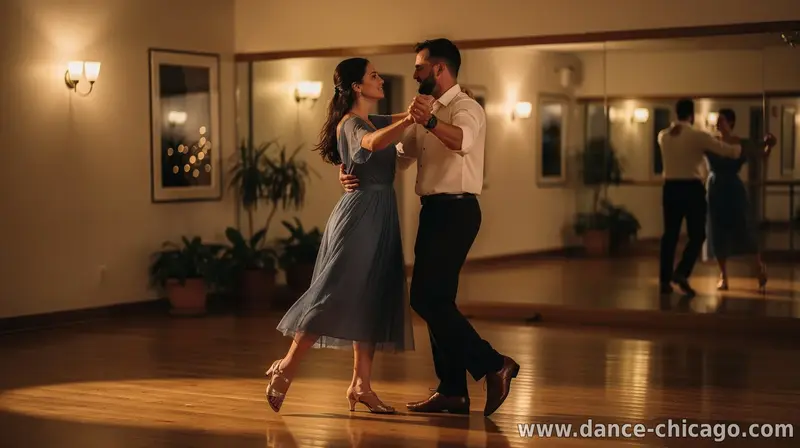
For couples looking for something more memorable than dinner and a movie, learning to dance together offers a built-in way to interact—through movement, music, and teamwork. Whether you choose a partner dance class or practice a simple routine at home, the shared goal can make the night feel special without requiring a huge budget or extensive planning.
The best part: you don’t need to be “good” to enjoy it. Early sessions typically focus on fundamentals—timing, posture, basic steps, and how to lead and follow safely—so both partners can learn at the same pace.
Pick a dance style that matches your vibe
Choosing the right style can make the difference between feeling awkward and feeling genuinely excited. Many beginners start with dances that emphasize simple patterns and clear musical cues.
Common beginner-friendly options include:
- Salsa (energetic, with straightforward counting)
- Merengue (quick to grasp, upbeat feel)
- Waltz (classic, slower pace, smooth flow)
- Bachata (romantic mood with accessible basics)
If you’re unsure, consider taking a “beginner couples” class or asking the instructor what students commonly learn in the first few weeks.
Plan the date like a mini “learning session”
To keep it from turning into an all-day commitment, treat the night as a structured practice. Arrive early enough to settle in, and wear shoes that support movement—comfort matters more than flash. If you’re at home, set up a small space and use a timer so you practice in short, confidence-building rounds.
For a first outing, aim for a class duration that won’t exhaust you—then end with a casual debrief. A simple question like “Which step felt easiest?” can turn the experience into a conversation rather than a performance.
Use “small wins” to build confidence
When you’re learning together, progress can feel invisible after one session. Instead of focusing on mastering the full routine, celebrate smaller achievements: making eye contact, staying in rhythm, or completing a basic turn without losing alignment.
In partner dancing, communication is everything. Even if you’re new, you can agree on cues—like how much you’ll practice leading/following or what to do if someone is unsure. That teamwork often makes the date feel more romantic than competitive.
Make practice feel like play
Once you leave the studio (or finish your at-home practice), you can keep the momentum without turning it into homework. Put on the style of music you learned and try a single repeatable move together. You can also rotate roles—so both partners get comfortable leading at least some of the time.
If your schedules allow, consider a “practice date” every week or every other week. Over a month, you’ll likely notice not just better steps, but better coordination and a calmer, more connected presence with each other.
A romantic payoff beyond the steps
Learning to dance as a couple isn’t only about movement—it’s about shared time with a clear sense of purpose. The physical closeness, the synchronized timing, and the gentle laughter when things don’t go perfectly can create the kind of bond that lingers after the music stops.
Whether you’re celebrating an anniversary, trying something new, or simply wanting a fresher kind of date night, dancing together offers a practical path to connection—one beat, one step, and one shared win at a time.
Related materials
Be the first to share your opinion with others.