
- 10/17/2026
- 284 Views
- Comment
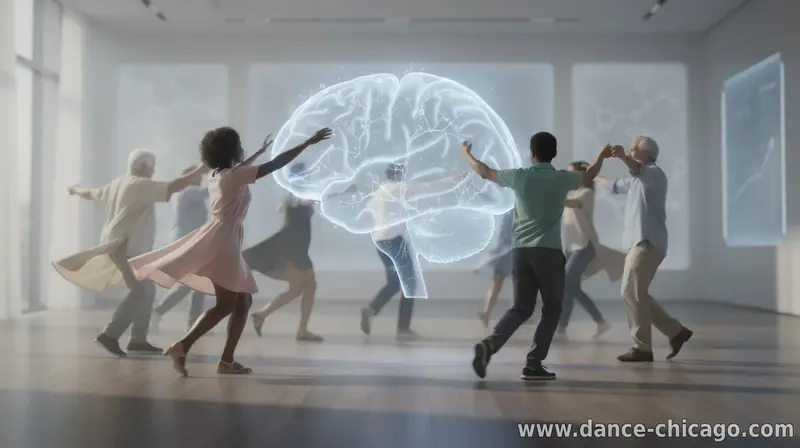
Dementia prevention remains one of medicine’s most urgent challenges, but promising clues are emerging from studies of everyday activities. Among them, dancing stands out: it blends physical exercise, coordination, rhythm, and social engagement—elements that may collectively support brain health.
Researchers emphasize that there is no guaranteed method to prevent dementia. However, accumulating findings suggest that lifestyle factors can influence risk or slow decline. Dance is drawing attention because it naturally combines several factors associated with healthier aging, including regular movement and cognitive stimulation.
Why dance may help the brain
Unlike many forms of exercise, dance typically requires the brain to track timing, learn steps, remember sequences, and adapt movements to music and partners. These demands can engage attention and executive function—skills that are often affected in cognitive impairment.
At the same time, dance provides aerobic and strength-related movement, supporting cardiovascular health. Since the brain depends heavily on healthy blood flow, cardiovascular fitness is frequently discussed as a pathway through which physical activity may lower dementia risk.
What studies have found so far
Observational studies and randomized trials have reported associations between higher levels of physical activity and better cognitive outcomes. While dance-specific evidence is still developing, several interventions—particularly group dance programs—have shown improvements in measures such as balance, processing speed, executive function, and overall cognition in older adults.
Importantly, dance programs often emphasize consistency and participation over time. In dementia research, “dose” matters: activities that are sustained and engaging may yield more meaningful cognitive and functional benefits than one-off sessions.
Social connection and mental engagement
Many dance classes are social by design, offering interaction, conversation, and a structured routine. Social engagement has been linked in prior research to reduced risk of cognitive decline. Meanwhile, learning and novelty—picking up new choreography, responding to cues, and improving with practice—can provide the kind of mental challenge that helps maintain cognitive networks.
Researchers also note that mood and stress may play a role. Activities that improve confidence, reduce loneliness, and increase enjoyment could indirectly support cognition by encouraging continued engagement in healthy routines.
Who might benefit, and how to start
Dance can be adapted for different mobility levels and health conditions, including chair-based or slower-paced options. For older adults or those with early cognitive changes, the goal is usually not athletic performance but safe participation, repetition, and progressive challenge.
Practical considerations include choosing a class with appropriate supervision, wearing supportive footwear, and communicating any balance or mobility concerns to instructors. Starting with shorter sessions and gradually increasing frequency may help build both fitness and confidence.
What the science can’t yet guarantee
Even with encouraging results, scientists are cautious about overclaiming. Dementia is influenced by many factors—genetics, vascular health, education, sleep, hearing, depression, and more. Because of this complexity, dance should be viewed as a supportive strategy within a broader risk-reduction approach rather than a standalone cure or proven prevention.
Still, the emerging pattern is compelling: dance may offer a multi-domain intervention, combining movement, cognitive challenge, and social connection in a way that is enjoyable enough for people to sustain.
As research grows, larger and longer trials will be needed to clarify how much dance affects dementia incidence and for whom it works best. For now, the strongest takeaway may be that dancing is not only a cultural and emotional activity—it may also be a practical, brain-friendly form of healthy aging.
Related materials
Be the first to share your opinion with others.