
- 06/13/2026
- 58 Views
- Comment
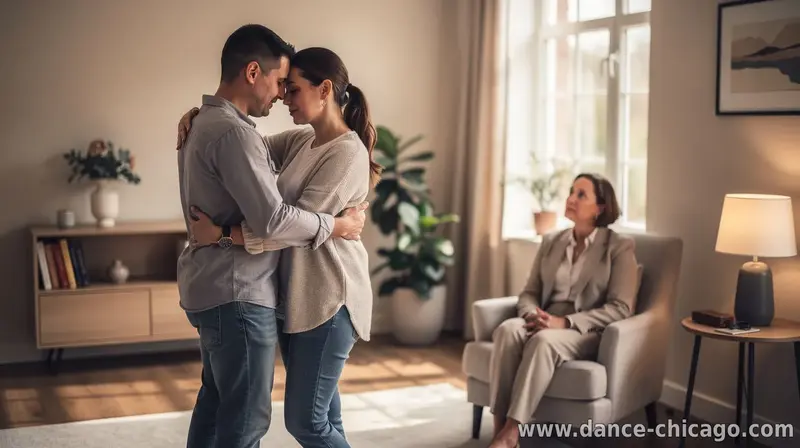
As couples search for ways to reconnect, some therapists and psychologists point to an unconventional tool: dancing. Far beyond a date-night activity, dance can function as a structured form of interaction—one that blends emotion, attention, and coordination in a way that may make conversations easier after the music stops.
“Couples often talk about problems that live in their head,” said a common theme among clinicians who use movement-based approaches. “Dance brings the relationship back into the body,” where signals like timing, responsiveness, and comfort are constantly at play.
Why dance can feel different from “talk therapy”
Unlike traditional dialogue, dancing invites partners to practice connection through nonverbal channels: eye contact, physical proximity, turn-taking, and body awareness. Psychologists note that these cues can reveal patterns that are hard to name verbally—such as avoidance, defensiveness, or difficulty tolerating closeness.
In sessions, the emphasis is typically not on performing well. Instead, therapists may focus on how partners respond to rhythm changes, lead-and-follow dynamics, and the experience of giving and receiving guidance without verbal argument.
Communication, but in motion
Dance also creates low-stakes opportunities to communicate. A partner can signal needs—“slow down,” “try again,” “I need space”—without turning every difference into a debate. Over time, couples may learn to interpret these signals more accurately during everyday interactions.
Clinicians who recommend movement-based activities often frame them as “micro-practices” for emotional regulation. When couples stay with the shared task—finding the beat, adjusting to each other’s pace—they rehearse staying calm under mild stress.
Emotional safety and attunement
For many couples, the hardest part of repair is not disagreement, but the fear of what conflict will trigger. Psychologists say dancing can help build a sense of safety through consent and predictable structure, particularly when activities start simple and gradually increase complexity.
Attunement matters: responding to your partner’s cues—whether that’s a hand position, a shift in weight, or a pause to reset—can reinforce the idea that the other person’s experience is valid and worth responding to.
What the evidence suggests (and what it doesn’t)
Movement-based interventions have been studied in different formats, including arts therapies and rhythmic programs, with findings that often relate to well-being, social connection, and nonverbal processing. The strongest conclusions are generally about complementary benefits—supporting mood, reducing stress, and enhancing social engagement—rather than proving dance is a standalone treatment.
Psychologists caution against overselling. Dancing may be helpful for many couples, but it is not a cure-all for serious relationship distress, trauma, or abuse. In those cases, therapy focused on safety, boundaries, and clinical goals remains essential.
How to try it wisely as a couple
If couples want to incorporate dancing between sessions—or as an add-on to counseling—clinicians typically recommend starting with supportive conditions: low pressure, clear consent, and simple rules. Professionals also encourage couples to debrief briefly afterward, focusing on what felt supportive and what felt uncomfortable.
Common therapist-friendly practices include choosing partnered dances that emphasize cooperation over performance, agreeing on “check-ins” if emotions spike, and using music tempo as a shared control. Couples can also consider working with a therapist who understands both relationship dynamics and movement-based activities.
When to get professional help instead
Psychologists advise extra care when there are patterns of coercion, fear, or control. Dancing requires physical closeness and attention, which can become stressful if one partner is not emotionally safe. If sessions reveal escalating conflict, shutdown, or boundary violations, it may be better to shift to relational therapy frameworks where safety planning and skill-building are central.
For couples in healthier stages of repair, dance can be a bridge—one that translates feelings into shared rhythm and turns attention into a practice. The goal is connection that lasts, not a dance floor performance.
Related materials
Be the first to share your opinion with others.