
- 11/23/2026
- 30 Views
- Comment
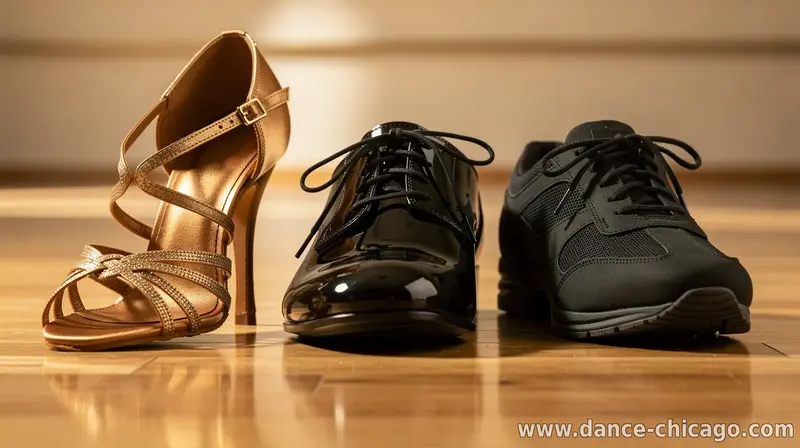
Dance shoes are not one size fits all. For beginners and seasoned dancers alike, the right shoe can improve balance, technique, and comfort across genres. This explainer compares three common categories: Latin shoes, ballroom shoes, and practice shoes, highlighting design ideas that influence traction, flexibility, and heel height.
Latin shoes are built for fast footwork, spark and precision. They typically feature a higher arch, a flexible sole, and a snug, narrow fit to enable quick in-step changes. The heels vary in height but are designed to provide lift without sacrificing grip on wooden or sprung floors. Materials often include suede or smooth leather that offers a controlled slide for turns and spins.
Ballroom shoes favor stability and classically balanced weight distribution. Men’s styles often have a broader heel and a thicker outsole, while women’s versions emphasize a comfortable profile with a slightly rounded toe box. The soles strike a middle ground between slide and grip, enabling smooth gliding on varnished floors and reliable point control during complex frame work.
Practice shoes are the versatile workhorse for rehearsals and warmth-up sessions. They prioritize cushioning, durability, and a forgiving sole that reduces fatigue during long practice blocks. The heel is usually lower or optional, and the overall construction aims to minimize foot strain while still offering enough traction to prevent slipping on studio floors.
Choosing the right pair depends on your goals and the surfaces you train on. If you focus on Latin technique and competitive routines, a dedicated Latin shoe with a suede sole can boost control. For full-spectrum ballroom work, a well-fitted ballroom shoe provides balance for elegant lines and varied movements. When you’re in the studio grinding through drills, practice shoes protect your feet and joints without compromising safety.
Practical tips for shopping include prioritizing a secure fit, ensuring the shoe grips the floor without sticking, and verifying that the heel feels stable under foot pressure. Try on multiple sizes and consider break-in time, especially for Latin shoes which can run narrow. Always test a few steps in a mirror to gauge whether your weight shifts are smooth and well-supported across different angles.
Related materials
Be the first to share your opinion with others.