
- 09/22/2026
- 169 Views
- Comment
Cha-cha-cha is known for its playful bounce, sharp hip action, and instantly recognizable timing. But the dance becomes much easier once you stop treating it like a “feel it” style and start counting the rhythm—and aligning your feet with what your body is doing.
1) Understand the Cha-Cha rhythm
Most cha-cha basics can be tracked as a 4/4 feel where the last beat is subdivided to create the “cha-cha” sound. In practice, you’ll often hear counts described as 1, 2, 3, then the cha-cha happens across 4 & 1 (or a similar phrasing depending on the count system your instructor uses). The key is that the “cha-cha” portion is quicker and more syncopated than the first part of the measure.
Listen for that squeeze-and-release timing: step, transfer, then two quick actions that make the dance look lively rather than flat. If you rush the quick part, your cha-cha will look hurried; if you stretch it, it will feel like a slow waltz instead of cha-cha.
2) Core footwork you can rely on
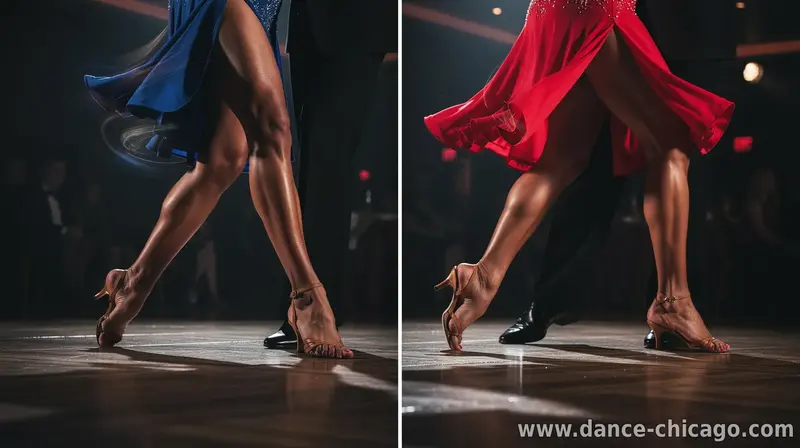
Begin with a simple, repeatable pattern: a forward or side step, followed by a weight transfer, then the two-step “cha-cha” action. For many beginners, practicing the cha-cha portion as a separate mini-pattern helps. Aim for clean weight changes—your feet should land and your body should settle into the new stance rather than just touching the floor.
Focus on alignment: your standing leg should feel stable before you move, and your moving foot should land slightly under you to support balance. When you’re doing the quick part, keep steps compact—cha-cha shines when the feet are precise and the rhythm is crisp, not when you take big, sweeping strides.
3) Timing drills to make it stick
Try a counting drill without turning first: mark the rhythm in place (or with tiny steps) until you can reliably place the two quick actions. Then add direction—forward/back or side—keeping the same timing. Once that feels consistent, practice changing direction while staying on the same beat structure.
A helpful cue: if your hips feel like they’re “chasing” the feet, you may be stepping too long before the quick part. Keep your body transfers organized—step and settle, then execute the quick sequence.
4) Common mistakes beginners make
Mistake: Overstepping. Large steps often cause late weight transfers. Cha-cha typically looks best with compact, controlled movement—especially on the quick portion.
Mistake: Losing the “two quick” feel. Beginners may turn the cha-cha timing into a slow step-by-step pattern. If the “cha-cha” doesn’t sound distinct, revisit your counts and make the quick actions clearly faster.
Mistake: Flat-foot placement. If your feet land with no bounce, the rhythm can feel heavy. Aim for a springy feel through the ankles and a smooth transfer of weight, not a stomping motion.
Mistake: Hip action that doesn’t match the timing. The hip movement is part of the rhythm, not an afterthought. Make sure your hip emphasis lines up with when your weight actually transfers.
5) How to practice safely and improve fast
Start slowly and prioritize clean weight changes over speed. Record a short clip from the side if possible—cha-cha is easier to judge when you can see foot placement and hip timing. Practice in short sessions, repeating the same pattern until the timing becomes automatic.
Finally, don’t skip fundamentals like posture and balance. Cha-cha looks confident when your torso stays steady while your hips and feet work together on-beat. With consistent counting, compact footwork, and tight timing, the dance starts to feel natural.
Related materials
Be the first to share your opinion with others.