
- 09/20/2026
- 175 Views
- Comment
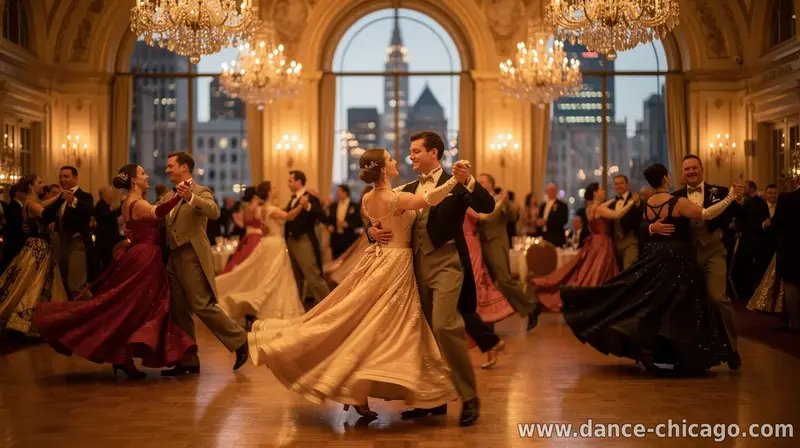
Chicago’s ballroom community stays lively year-round, with social dances, practice events, and occasional showcases that make it easy to learn, meet partners, and build momentum. If you’re new to ballroom or returning after a break, the best “this season” strategy is to mix weekly socials with skill-building events so you get both structured learning and real dance time.
1) Look for established weekly ballroom/social dance nights
Many Chicago-area studios and dance organizations host consistent social nights where you can rotate partners, practice common ballroom patterns, and dance to DJs or live music depending on the event. These are often the most efficient way to improve quickly because you’ll dance multiple rounds and get comfortable with etiquette and timing.
2) Add a workshop or technique night for faster progress
To advance beyond “I can follow,” try pairing socials with workshops focused on footwork, frame, lead-follow mechanics, and styling. Even a single lesson block can make a noticeable difference in your comfort on the social floor—especially for rhythm, timing, and maintaining a consistent connection.
3) Choose events that match your current comfort zone
Ballroom events vary widely by level and format. If you’re working on basics, prioritize socials that welcome beginners and include clear etiquette guidance. If you’re preparing for more competitive-style dancing, seek nights that emphasize structured practice, partner drills, or themed dance formats that reward control and technique.
4) Prioritize partner-friendliness and clear event details
When comparing ballroom events, scan for cues that help solo dancers feel welcome: partner rotation, “bring a partner or we’ll help match you” notes, beginner meet-and-greets, and event pages that describe dress expectations and music styles. Those details can turn an unfamiliar venue into a repeatable routine.
Where to focus this season: start with your preferred neighborhoods and commute time, then shortlist 3–4 recurring socials. Add 1 workshop or special event per month to keep your improvement steady without burning out.
Quick checklist before you go: confirm the event’s dance styles (for example: waltz/foxtrot/tango/swing variations), verify whether beginners are welcome, review the attire guidance, and check arrival time—many socials run smoother if you arrive early enough to orient and warm up.
With the right mix of regular socials and targeted practice, you’ll quickly build confidence, find dance partners, and learn to enjoy the rhythm and etiquette that make ballroom so rewarding. If you share your level (beginner/intermediate), preferred styles, and your typical travel area in Chicago, I can help narrow this into a tighter “best-fit” shortlist for your season.
Related materials
Be the first to share your opinion with others.