
- 09/20/2026
- 126 Views
- Comment
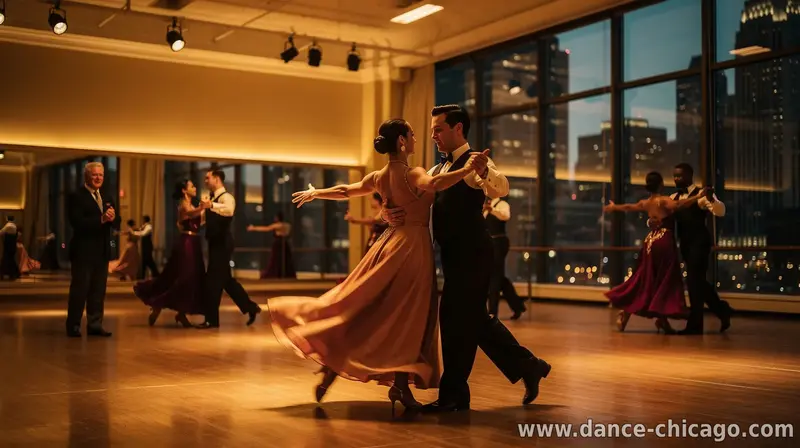
If you and your partner are curious about ballroom dancing, Chicago is a strong place to start. With a wide range of studios, class formats, and instructor backgrounds, couples can find beginner-friendly instruction that moves at the right pace—whether your goal is wedding season, date-night fun, or learning something specific for a social dance event.
Start with your goal (because it shapes your first class)
Before you book, decide what “success” looks like. Some couples want a broad foundation in common styles such as Waltz and Foxtrot, while others are laser-focused on a specific wedding dance or a future performance. Your goal can determine whether you begin with a structured beginner curriculum or jump into a more tailored track.
Choose the right ballroom style—or a beginner mix
Ballroom lessons typically cover a handful of core dances, especially for first-timers. In many Chicago studios, beginners start with a mix that teaches posture, frame, timing, and basic turning patterns before progressing to full routines. That approach helps couples build comfort with both partner connection and musical rhythm.
Look for couple-focused instruction and clear beginner expectations
Not all classes are designed the same way. When you’re learning as a couple, prioritize instructors who emphasize communication, lead-and-follow basics, and practical feedback. Ask whether the studio offers a true beginner pathway, what happens in the first month, and how they handle different experience levels between partners.
It’s also worth checking how lessons are structured: do you practice mostly with your partner throughout, or do instructors rotate partners in certain activities? For couples, consistent partner practice can speed up comfort—especially early on.
Pricing and schedules: plan for steady practice
Chicago lesson costs vary by studio, instructor, and whether you choose private lessons, small group classes, or a combination. In general, couples often see the best results with a regular cadence—commonly weekly or biweekly—paired with short practice sessions at home.
When comparing options, consider what’s included. Some packages include goal-setting sessions, costume or technique support for events, or studio practice time. Others may charge separately for milestone coaching or higher-level group follow-ups.
What to wear and how to prepare
Beginner-friendly clothing matters more than you might think. Wear shoes that allow smooth movement and comfort for turns; many studios will recommend specific heel heights or shoe types. If you’re new to ballroom, it can also help to arrive a few minutes early for shoe checks and a quick warm-up.
At home, you don’t need long practice blocks to progress. Even 10–15 minutes of simple timing work—like walking steps to music, practicing posture, or rehearsing a basic pattern—can reinforce what you learn in class.
Expect milestones—and track them
Progress in ballroom dancing often comes in noticeable phases: early sessions focus on posture and connection, then couples work toward smoother steps, cleaner turns, and better timing with the music. By the time you’ve completed several weeks, you should feel more confident navigating basic patterns without overthinking your partner’s cues.
If your goal is an event, ask about milestone planning. Many studios can help you map a timeline—what to learn first, how many sessions you’ll likely need, and how to refine the dance so it looks polished rather than rushed.
With the right style choice, a couple-focused teaching approach, and a consistent schedule, ballroom lessons in Chicago can turn into a meaningful shared activity—not just a short-term project. Start with a clear goal, book a beginner-friendly class or introductory private session, and give yourselves enough time to build real comfort with each other’s timing.
Related materials
Be the first to share your opinion with others.