
- 09/22/2026
- 130 Views
- Comment
Dance lessons are a popular add-on for bachelor and bachelorette parties because they combine entertainment with structure. Instead of showing up and guessing the playlist, you get a session led by an instructor who designs the experience around your group size, skill level, and event goals.
Most organizers choose a lesson that ends with a short routine—so everyone leaves with something to perform (or at least feel comfortable doing) at the party.
1) Choose your lesson style and party goals
Booking usually starts with deciding what you want to get out of the night. Some groups want “confidence and vibes,” while others want a choreographed routine they can show off later. Common styles include pop/club dance, salsa/merengue, hip-hop, line dancing, or a mashup tailored to current party music.
During intake, you’ll typically share details like how many people are coming, whether anyone is a total beginner, and how much time you have (for example, 60 or 90 minutes).
2) Set the group details (level, age mix, and logistics)
Instructors usually adapt the choreography to the room and the comfort level of the group. That means beginners can learn the basics without feeling overwhelmed, while more experienced dancers get options to make the routine look sharper.
You’ll also coordinate logistics such as location (studio or private venue), footwear and attire guidance, and any accessibility needs. If the party is traveling or short on time, many providers offer mobile instruction or studio options near your lodging.
For mixed groups—different heights, varying mobility, or a blend of dancers and non-dancers—the lesson is often designed with repeatable “safe” moves and clear counts so everyone can follow along.
3) Get a quick warm-up and tailored instruction
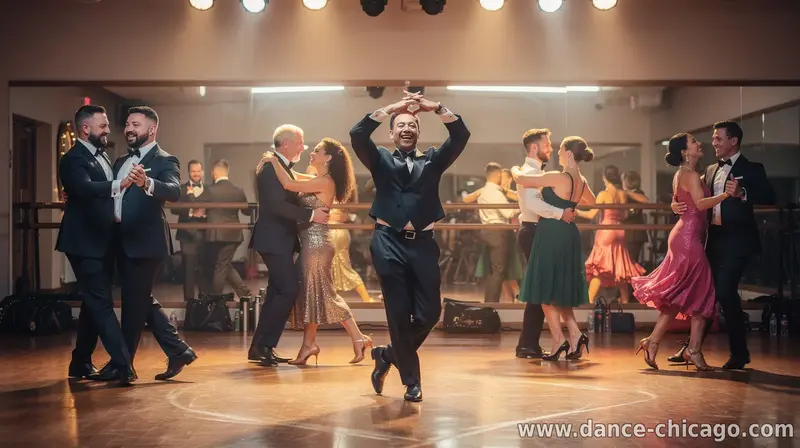
A typical session begins with a warm-up to loosen shoulders, hips, and legs, followed by technique basics. This might include timing, footwork patterns, posture, and simple styling that makes basic moves look intentional on the dance floor.
Because it’s a party, instructors focus on fast learning rather than strict training. You’ll usually practice in small sections (for example, chorus-by-chorus), then stitch together the full routine as the group gets comfortable.
Expect friendly cues and repetition—especially for first-timers—so you can enjoy the process instead of worrying about getting it “perfect.”
4) Learn a short routine designed for your group
Whether you choose a classic dance style or a high-energy club choreography, the goal is usually the same: a memorable set of moves everyone can execute. For larger parties, instructors may build choreography with a “lead and echo” structure—so a confident few can front the routine while others follow reliably.
If you’re celebrating a specific person, many providers incorporate that theme by matching the vibe of the routine to the birthday or “main character” of the night.
5) Perform, record, and transition to the party
Most lessons end with a group run-through that feels like a mini performance. Many instructors encourage photos or short videos—useful both for keepsakes and for sharing in your group chat.
After the routine, you’re set up to transition naturally into the rest of the evening: dancing in the same counts, trying the moves in real songs, and boosting morale for whatever venue comes next (bar, club, wedding reception hall, or private gathering).
6) What to bring and how far in advance to book
Recommended items are usually simple: comfortable shoes (or dance sneakers), water, and outfits you can move in easily. If the lesson is off-site, you may also get guidance on space—like clear floor area and ventilation—so the choreography works as intended.
Because bachelor and bachelorette parties are often scheduled for weekends and peak seasons, booking a few weeks ahead is common. Last-minute options can exist, but the most time-friendly plans are usually those reserved earlier.
7) Cost and customization (what affects the price)
The overall cost typically depends on lesson length, group size, instructor experience, and whether the session is in-studio or private/mobile. Customization—like tailoring choreography to a specific song or adding extra “performance time”—may also change the quote.
When requesting a booking, it helps to share your timing, venue location, and any preferences (music style, dance genre, or the vibe you want) so the instructor can confirm what’s realistic.
If you want your bachelor or bachelorette party to feel more than just a night out, dance lessons are a practical, high-fun way to bring everyone together. With guided warm-ups, beginner-friendly choreography, and a built-in “group moment,” you’ll leave with both memories and moves.
Related materials
Be the first to share your opinion with others.