
- 09/20/2026
- 64 Views
- Comment
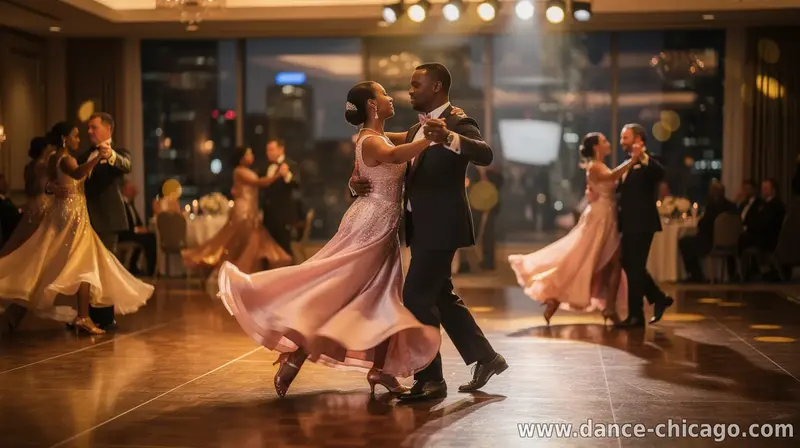
Across Chicagoland, ballroom dancing is becoming a go-to hobby for people looking for something structured, social, and physically engaging. From Chicago’s neighborhoods to nearby suburbs, instructors report a steady rise in beginner enrollments and a growing number of casual dancers joining open practice nights and local competitions.
Several factors appear to be converging at once: the comfort of group classes for first-timers, an expanded range of dance styles beyond traditional “big ballrooms,” and the continued strength of event calendars that give dancers a reason to practice between lessons.
Beginner-friendly classes lower the barrier to entry
For many newcomers, the first hurdle isn’t learning steps—it’s walking into a studio without knowing what to expect. Local instructors say that trend is improving as more studios offer clear onboarding for beginners, including short introductory sessions, partner-matching practices, and lesson formats designed for people who have never taken a dance class.
“When students feel supported from the start, they’re more likely to stick with it,” said one Chicago-area instructor, noting that repeat attendance tends to grow once dancers become comfortable with basic patterns and connection.
A fitness boost that doesn’t feel like a workout
Ballroom dancing also appeals to residents who want movement with variety. Unlike repetitive exercise routines, ballroom sessions combine cardio, balance, coordination, and posture work—often delivered through guided practice rather than formal “workout” structure.
Dancers say the experience feels rewarding because progress is visible in social settings: learning to lead and follow, improving footwork, and gaining confidence on the floor during partner drills or group events.
Community and social momentum are key
In a region where many people juggle work schedules and busy calendars, studios and dance clubs offer a built-in social network. Regular classes, themed nights, and community events create repeated opportunities to meet others with shared interests—without the pressure of finding an activity partner through social media or apps.
That sense of belonging can be especially important for newcomers. Several studios describe a “learn together” culture where beginners are encouraged to return for review lessons and to rotate partners as they build familiarity.
More events bring dancers out of their practice rooms
Chicagoland’s broader events ecosystem—ranging from local dance showcases to competition-style meets—has also helped normalize ballroom dancing as something people can observe and participate in. For many residents, seeing dancers in action makes the hobby feel attainable, while event participation provides an external goal that supports ongoing practice.
Organizers say participation is often encouraged at multiple levels, including beginner-friendly formats that focus on learning and experience rather than high-stakes performance.
As demand continues to rise, studios across the region are expanding class schedules, adding more beginner time slots, and recruiting additional instructors to meet interest. For many dancers, the trend isn’t just about learning steps—it’s about finding a weekly activity that blends health, confidence, and community in a single, welcoming space.
Related materials
Be the first to share your opinion with others.