
- 10/12/2026
- 129 Views
- Comment
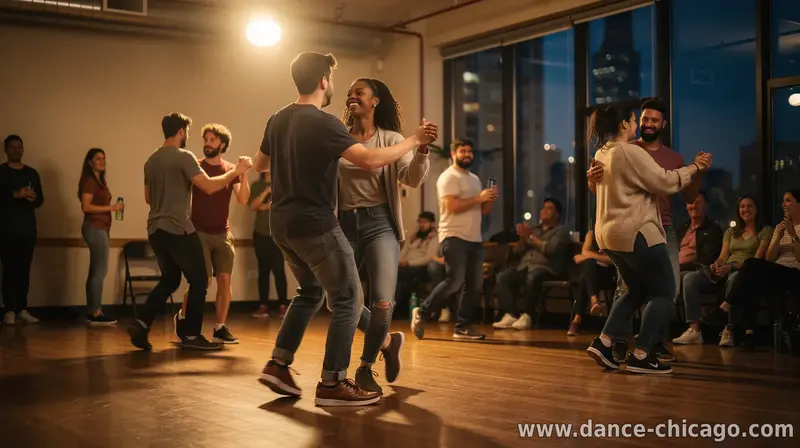
Taking a class is the easy part—turning what you learned into smooth, comfortable social dancing is the real goal. Chicago offers many venues and recurring nights where beginners and improving dancers can practice in a friendly environment, especially if you attend events that emphasize partner rotations and welcoming floors.
Start with social nights that match your level
If you’re newly learning (or returning after a break), choose events designed for “social” participation rather than performance-only nights. Look for descriptions that mention open dance, partner practice, beginner-friendly vibes, or structured rotations. The best practice spaces reduce pressure while still giving you lots of chances to dance.
Check community groups and dance series
Chicago’s dance community often runs recurring socials through local dance organizations, studios, and community calendars. These events frequently include mix-and-match partner opportunities, “first dance” guidance, or host check-ins that help new dancers integrate quickly. Following the same series can also make it easier to find consistent partners over time.
Try venues that regularly host partner-dance events
Many Chicago venues bring in visiting DJs and instructors for specific styles (like swing, salsa, bachata, or Argentine tango) and maintain a steady schedule. To maximize practice after class, target nights that align with your lesson style—then arrive a little early so you can ask the host or DJ how the floor typically works.
Use “open practice” formats strategically
Some nights are better for reps than others. If you see formats like open floor, guided practice, social with rotations, or workshops that transition into a dance, prioritize those. You’ll get more controlled opportunities to apply new skills (timing, basic footwork, lead/follow communication) before the room fills in with more experienced dancers.
How to get the most practice once you’re there
Practice improves faster when you approach the night with a simple plan. Aim to dance early, reset often, and focus on one micro-skill at a time—such as staying on rhythm, keeping your frame steady, or clearly signaling turns. If you’re comfortable asking, politely tell partners what you’re working on; many dancers will match the pace or help you find success.
Quick tips:
- Bring a small goal (e.g., “clean basics” or “one turn per song”).
- Arrive early to meet people and learn the event flow.
- Take breaks between sets to recover and keep your focus.
- Pick a social night that mirrors your current class style.
- After dancing, note what felt easy vs. what stalled.
If you’re unsure where to begin, start with the social nights offered by the same studios or teachers where you take classes—those events typically reflect the syllabus and the comfort level of the crowd. Then expand to other community-run socials as you become more confident and recognize familiar faces.
With the right environment, “after class” becomes more than practice—it becomes community. Choose nights that welcome your level, keep your learning aligned with the floor, and give yourself permission to improve one dance at a time.
Related materials
Be the first to share your opinion with others.