
- 09/20/2026
- 222 Views
- Comment
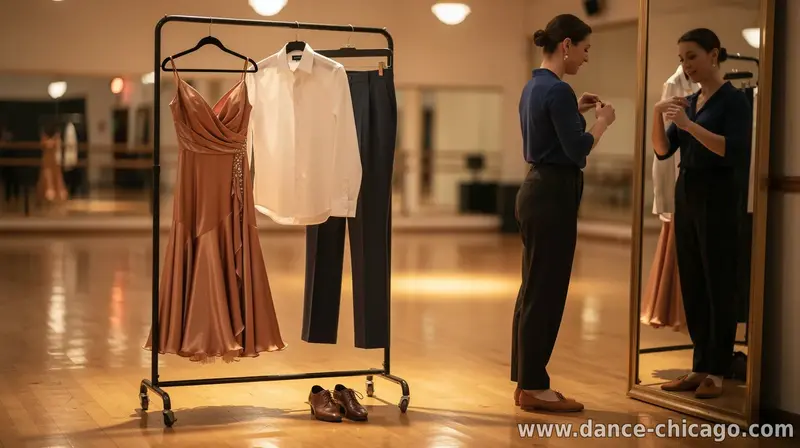
Walking into your first ballroom dance class is exciting—so the last thing you want is to worry about your clothes. The best outfit supports smooth movement, fits securely, and matches the basic needs of ballroom styling: comfort, mobility, and footwear that helps you turn and glide.
Start with a mindset: your clothes should let you move your arms and legs without tugging, sliding, or bunching. Breathable fabrics like cotton blends, lightweight knits, or moisture-wicking materials are great choices for staying comfortable throughout the warm-up, practice turns, and partnered drills.
What to wear (by category)
For tops, many beginners do well with a fitted or semi-fitted shirt or blouse that won’t interfere with partner contact. Avoid anything too bulky at the shoulders or midsection, since ballroom movement often involves sweeping arm lines and close hold positions.
If you’re wearing bottoms, choose something that stays in place while you step and pivot. Common beginner-friendly options include fitted leggings, stretchy trousers, or a dance skirt with enough structure to move gracefully without tangling.
For dresses, a simple, comfortable ballroom-appropriate dress or skirt-and-top combination is usually the easiest route. Look for a hem that won’t snag and a silhouette that allows full leg action when you practice basic steps.
Footwear: the biggest difference-maker
Footwear can make or break your first class. Ballroom shoes are designed to help with balance, traction, and turns—so if your class doesn’t require specific shoes, bring guidance from the instructor when possible.
If you’re taking standard ballroom practice, shoes with smooth, dance-friendly soles are typically preferred. Avoid stiff sneakers with heavy tread or shoes that feel too slippery, as both can make turning uncomfortable or unsafe. If you don’t have dance shoes yet, choose the most stable option you own and consider asking the studio what they recommend for your level.
What to avoid
Skip outfits that restrict movement—such as jeans that feel tight in the hips or shoes that force you to constantly adjust your footing. Also avoid clothing with long, trailing fabric that can get caught during spins and basic footwork.
Be mindful of accessories, too. Large belts, dangling jewelry, or anything that clinks or sways can distract you and your partner during practice. Simple, secure pieces are best for early sessions when you’re focusing on rhythm and technique.
When in doubt, dress slightly “sporty-chic”: something you could move confidently in for 60–90 minutes. Many beginners discover that what matters most is not style trends—it’s the fit, mobility, and the right footwear for the steps you’ll be practicing.
Be the first to share your opinion with others.