
- 10/12/2026
- 175 Views
- Comment
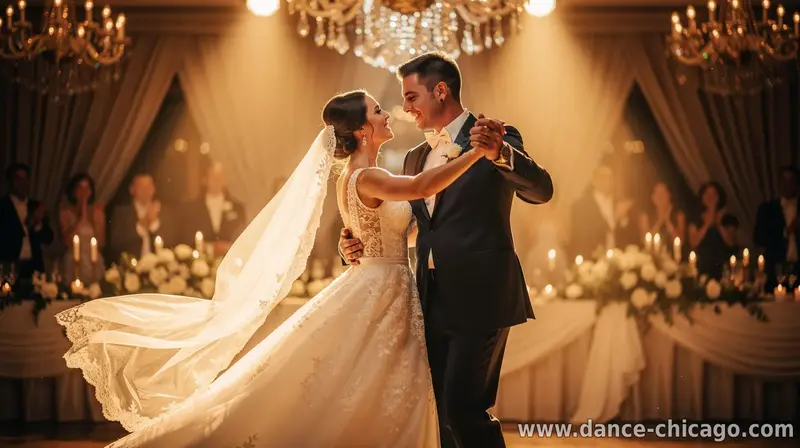
Wedding dance is evolving beyond the traditional first dance. Across the event industry, vendors are packaging choreography, lighting, and crowd engagement into clearly branded experiences that couples can buy and guests can share—turning what used to be background entertainment into a headline moment.
While DJs and bands remain central, the commercial trend is toward format and storytelling: the dance is marketed as a “signature feature” of the day, often positioned alongside vows, speeches, and cake-cutting.
Why wedding dance is becoming a “sellable moment”
Event planners say guests increasingly expect personalization and visible “wow factors,” not just upbeat music. That demand has made wedding dance an easy target for premium add-ons—special entrances, themed choreography, cinematic lighting cues, and video-ready staging.
For couples, the appeal is straightforward: a dance package can be designed around their story and confidence level. For vendors, it’s a higher-value upsell with clearer deliverables than general sound-and-song services.
Three formats gaining traction
One popular approach is the coached first dance, where instructors or choreographers work with couples ahead of the wedding. The goal is to reduce stress on the day while still delivering a polished, camera-friendly performance.
Another format is the “family-and-friends flash moment,” a short, guided group segment that gets more people on the floor. This helps address a common pain point: guests who don’t want to dance for hours but will join for a structured highlight.
Some venues are also bundling a “party takeover” sequence—timed transitions from ceremony mood to high-energy celebration—often supported by synchronized lighting, MC prompts, and curated song flow designed to keep momentum steady.
What drives the commercial shift
Social media is a major catalyst. Brides, grooms, and planners increasingly plan with shareable content in mind, which favors distinct visuals and memorable staging—especially for dance moments that can be replayed in short clips.
Pricing models are also changing. Instead of selling only music time, suppliers are offering layered packages—lessons, rehearsal planning, choreography revisions, specialty lighting, and optional videography—creating “productized” offerings that are easier to compare and purchase.
Finally, competition is pushing vendors to differentiate. In crowded markets, a standard DJ set can feel interchangeable, while a branded dance format can read as uniquely tailored.
Implications for couples and planners
Couples planning a wedding dance now face a wider menu of options, but they also need to think strategically about fit. Planners recommend aligning the dance concept with the couple’s comfort level, the venue layout, and the pacing of the schedule so the highlight doesn’t stall other key events.
Vendors, meanwhile, are emphasizing rehearsal workflows and measurable deliverables—clear timelines, show cues, and pre-agreed choreography complexity—to protect performance quality while maintaining the premium value customers expect.
As wedding dance continues to market itself as an experiential “moment,” the industry’s next leap is likely to be even more integrated: choreography paired with stage direction, lighting cues tuned to music drops, and coordination with photographers and videographers for maximum impact.
Related materials
Be the first to share your opinion with others.