
- 09/21/2026
- 268 Views
- Comment
Tempo and rhythm are two of the most important building blocks in music. Even if you’re just starting out, understanding the difference between them—and how they work together—can make every practice session more productive.
Tempo tells you how fast the music moves. It’s usually expressed in beats per minute (BPM). Rhythm describes how long notes and rests last, and how they’re arranged within that tempo.
1) Tempo: the “speedometer” of music
Think of tempo as the pace your music travels at. A song at 60 BPM feels slower than one at 120 BPM. When you keep tempo steady, you create a reliable foundation for melodies, harmony, and movement.
In practice, tempo is often communicated with two things: a BPM number and a time signature (like 4/4). The time signature helps define what counts as a “beat,” while BPM tells you how quickly those beats occur.
2) Rhythm: patterns of durations and rests
Rhythm is about when sounds happen and how long they last. Notes are typically measured as fractions of a beat. For example, in many common time signatures, a quarter note fits neatly into one beat, while eighth notes fit into half a beat each.
Rhythm also includes rests—silences that are just as important as played notes. A common beginner challenge is accidentally “filling in” rests, which can make a pattern feel rushed or off even if the tempo is correct.
3) How tempo and rhythm work together
A useful way to internalize the relationship is to imagine a grid. Tempo sets how fast the grid moves; rhythm decides what happens on the grid—where notes land and where silence holds space.
For instance, if you clap the same rhythm at different BPMs, it should still “feel like the same pattern,” just played faster or slower. Conversely, if you keep BPM constant but change the rhythm durations, the music’s groove changes while the overall speed stays the same.
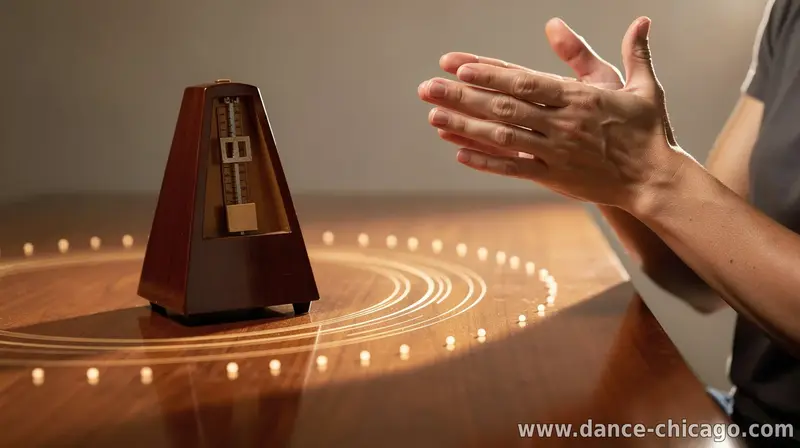
Try this simple beginner drill: set a metronome to a comfortable BPM (often 60–90 for practice), then count aloud while tapping or clapping a basic pattern. Start with something like steady quarter notes, then add eighth-note rhythms as you gain control.
4) Practical exercises to build timing quickly
If you want timing that improves fast, use short, repeatable exercises. The goal isn’t to play perfectly on the first try—it’s to repeat correctly until it becomes automatic.
- Count beats out loud while you play, especially in 4/4 time (1-2-3-4).
- Tap the pulse with your foot or hand to lock tempo before adding notes.
- Clap rhythm patterns from simple songs, first without instruments, then with.
- Use a metronome at slower speeds and gradually increase BPM as the pattern stays even.
- Practice rests by clapping only on the “sound” moments and holding silence for the rest.
Over time, you’ll notice that rhythm becomes easier when tempo is stable, and tempo feels more musical when rhythm patterns are clear.
If you’re learning an instrument or composing, approach tempo and rhythm like separate skills you blend together. Master the pulse first, then place notes precisely on that pulse. That process turns “I’m playing the notes” into “I’m making music.”
Related materials
Be the first to share your opinion with others.