
- 09/22/2026
- 141 View
- Comment
When a child loses a dance competition, it can trigger disappointment, embarrassment, anger, or tears—sometimes even if they performed well. The way you talk in those first moments can shape how they interpret “losing” and whether they stay motivated to practice and compete again.
Start with comfort, not correction
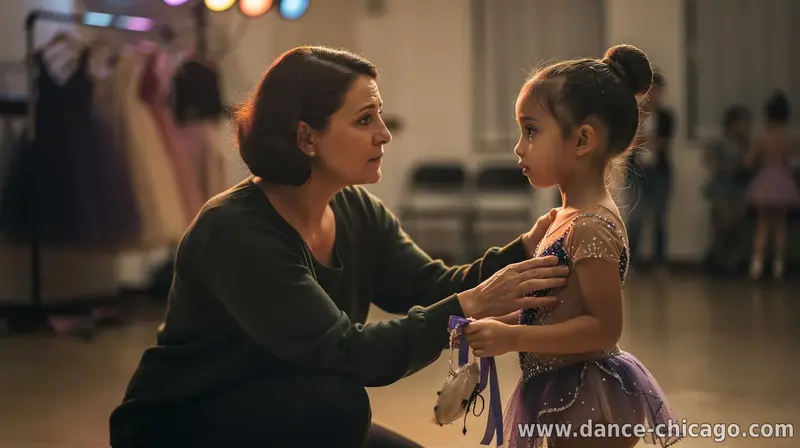
Begin by acknowledging what they’re feeling. Simple, specific statements help: “That looked really important to you,” or “You wanted it so badly.” Avoid quickly switching to reassurance like “It’s okay” or “Don’t worry,” which can sound dismissive if their emotions are still raw.
If they want to talk, listen without interrupting. If they don’t, offer presence: sit nearby, speak calmly, and give them space while still staying connected.
Separate performance outcome from self-worth
A key goal of the conversation is to make the distinction between a result and an identity. You can say, “The score was one part of the competition, but it doesn’t decide who you are.” Reinforce what matters in dance and in life: discipline, teamwork, courage to try, and the ability to keep going after setbacks.
Ask better questions than “Were you upset?”
Instead of only collecting feelings, invite reflection. Helpful questions include: “What part felt hardest today?” “What did you do that you’re proud of?” “If you could redo one thing, what would you change?”
For younger children, keep it concrete and short—two questions max. For older kids, you can go deeper and connect effort to improvement: “What practice habit do you think would help most next time?”
Turn feedback into an action plan
Once emotions settle, shift toward learning. If coaches or judges provided notes, focus on practical next steps rather than arguing about fairness. A helpful framework is “What to keep, what to tweak, what to try next.”
- Keep: a strength they demonstrated (timing, expressions, lines).
- Tweak: one improvement area to work on.
- Try next: a small, specific practice experiment before the next event.
This approach reduces overwhelm and helps your child feel agency.
Use “effort language” and celebrate process
Avoid praising only the outcome (“You were great because you won”). Instead, highlight effort and habits: “I saw you rehearse even when it was tiring,” or “You handled nerves and still finished strong.” Process-based praise teaches that improvement is earned step by step.
Celebrate milestones beyond medals—showing up, working through mistakes, practicing consistently, helping teammates, or demonstrating better control from the start to the finish.
Coach emotional regulation, not just performance
If your child is still upset after the event, offer strategies they can use immediately next time. Depending on age, that might look like slow breathing, a brief grounding routine (“name five things you see”), or a quiet walk before practice. You can model calm language: “We’re disappointed, and we can still take care of our bodies and minds.”
Make it clear that tears are not failure. They’re a signal that something mattered—and you’re there to help them move through it.
Give them a say in what happens next
End the conversation with choices that restore control. Ask whether they want to keep training, switch something in their routine, or take a short break before regrouping. Even if you strongly prefer they continue, letting them participate in the decision builds resilience and ownership.
If they say they want to quit, take it seriously without panic. You might respond: “That makes sense—you’re hurting. What would you need to feel okay about trying again?” A temporary pause with a clear plan can be healthier than forcing through resentment.
When you combine empathy with clear boundaries—“this result isn’t who you are, and we can learn from it”—your child learns a powerful lesson: losing can be painful, but it doesn’t have to define their future. With supportive conversation and a simple next-step plan, they’re more likely to return to the studio with confidence.
Related materials
Be the first to share your opinion with others.