
- 10/25/2026
- 285 Views
- Comment
Ballroom dance shoes take a lot of wear—especially at heel and toe points during turns and walking between dances. With a few consistent habits, you can reduce scuffs, maintain traction, and keep the fit feeling secure session after session.
1) Clean them after every practice or event
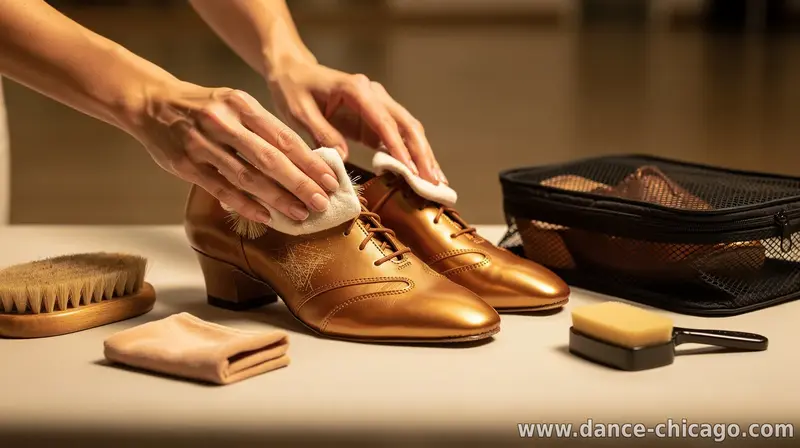
Start with a quick surface clean as soon as possible. Use a soft brush or a dry microfiber cloth to remove dust, chalk, or grit that can dull leather and damage finishes. If needed, lightly wipe with a damp cloth, then dry immediately—avoid soaking the shoes.
2) Dry thoroughly, but don’t overheat
Sweat and moisture can break down materials and cause unpleasant odors. Air-dry shoes at room temperature with the tongue and laces opened up. Avoid direct heat sources such as hair dryers, radiators, or high-temperature ovens, which can warp shapes and weaken adhesives.
3) Store them correctly to protect shape and materials
When you’re not dancing, keep shoes in a breathable garment bag or a ventilated shoe box with a protective cover. Use shoe trees or crumple-resistant inserts if you have them, and keep them away from damp areas. For frequent dancers, consider rotating pairs to allow full drying between sessions.
4) Maintain soles and traction for safe turns
Check the outsole and heel surfaces regularly. Small worn edges can affect balance and sliding during footwork. For leather soles, use proper protectors or conditioning when recommended by the manufacturer. For rubber or suede components, remove embedded lint or debris so grip remains consistent—especially before competition.
5) Manage fit and comfort without damaging the shoe
Ballroom shoes should feel snug, not pinching. If straps loosen over time, tighten them consistently rather than using harsh adjustments. For pressure points, use shoe-safe accessories like gel pads or thin inserts designed for dance footwear—avoid soaking or applying heavy oils that can change the material’s feel.
6) Keep scuffs and shine under control
If your shoes are leather, treat them periodically with a suitable cleaner/conditioner to prevent cracking. For satin or delicate finishes, spot-clean gently and avoid aggressive products. For light scuffs, a soft brush and careful polishing can help restore appearance without overworking the material.
7) Know when to repair rather than replace
If you notice lifting soles, loose heels, or persistent loss of traction, a professional repair can be more cost-effective than buying new shoes. Regular checkups—especially before competition seasons—help you address wear early and avoid last-minute failures.
With simple routines—cleaning, drying, safe storage, and timely maintenance—you’ll keep your ballroom dance shoes looking polished and performing reliably. Treat every session as part of the shoes’ care cycle, and they’ll reward you with better comfort and steadier footwork.
Related materials
Be the first to share your opinion with others.