
- 09/21/2026
- 225 Views
- Comment
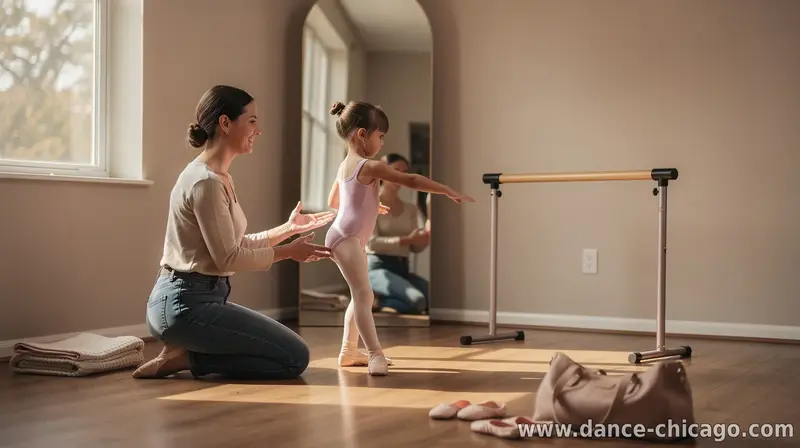
Supporting a young dancer at home isn’t just about scheduling practice—it’s about creating an environment where they feel safe, motivated, and proud of their progress. Whether they’re learning ballet, jazz, hip-hop, or contemporary, the best support is consistent, constructive, and focused on long-term growth rather than perfection.
Start by setting a realistic routine. Many young dancers do best with short, predictable practice sessions rather than occasional long ones. Aim for a simple structure: a few minutes of warm-up, focused technique work, a brief review of choreography or skills they’re working on, and a cool down. If they’re easily distracted or tired, reduce the time and keep the session energetic and encouraging.
Create a safe training space
Choose a spot with enough room to move and clear tripping hazards. If they rehearse on a hard floor, consider appropriate socks or dance shoes and use supportive flooring if available. Make sure they have water nearby, and protect them from rushing: they should warm up first, especially for jumps, turns, and stretching. If they feel sharp pain at any point, stop and address it—pain isn’t something to “push through.
Use positive, specific feedback
Young dancers often internalize criticism quickly, so feedback should be kind and specific. Instead of “That was wrong,” try “Your posture is improving—let’s keep that alignment on the next count.” Praise effort (“Good work sticking with it”) and progress (“You’re finding the balance better than last week”). When correcting, focus on one change at a time so they don’t feel overwhelmed.
Help them set small, achievable goals
Support their motivation by breaking goals into bite-sized steps. For example, rather than “master the turn,” aim for “clean arm position on counts 1–4” or “finish the turn with control.” Review goals weekly, celebrate what’s improving, and adjust when something feels too hard. If they’re nervous about auditions or performances, practice “performance reps” at home—run short sections with lighting/music to build confidence.
Encourage injury prevention and recovery
Homes can play a big role in keeping dancers healthy. Encourage proper warm-ups, gentle mobility, and cool downs after practice. Teach them to listen to their body and rest when they’re sore or fatigued. Support consistent sleep, balanced nutrition, and hydration—these directly affect energy, focus, and recovery. If they have recurring pain or frequent injuries, coordinate with a qualified dance instructor and a healthcare professional.
Balance practice with fun and life
Sometimes the biggest support is knowing when to stop. Create space for breaks and other activities so dance doesn’t take over every part of their identity. Let them explore movement they enjoy—stretching to music, learning a short routine they choose, or watching performances together and discussing what they liked. When dance feels like a positive part of life, motivation tends to last.
Communicate with the instructor
Ask what skills they’re prioritizing and what home practice should look like. A good instructor can share simple drills and common form cues that help you avoid reinforcing mistakes. If possible, align on expectations for practice length and frequency so your at-home support matches their training plan.
By creating a safe routine, offering thoughtful feedback, and supporting recovery and realistic goals, you help your young dancer build confidence and strong technique over time. The goal isn’t to make every session perfect—it’s to help them learn, grow, and enjoy the process of becoming a dancer.
Be the first to share your opinion with others.