
- 09/20/2026
- 153 Views
- Comment
Looking for a partner dance that matches your personality? East Coast Swing and Jive both deliver classic swing energy, but they do so in noticeably different ways—especially in tempo, movement style, and what you’ll likely do with your body from start to finish.
Below, we break down the core differences so you can decide which one fits your “energy level” and the kind of music you actually want to dance to.
Tempo and rhythm: smooth flow vs. high-octane bounce
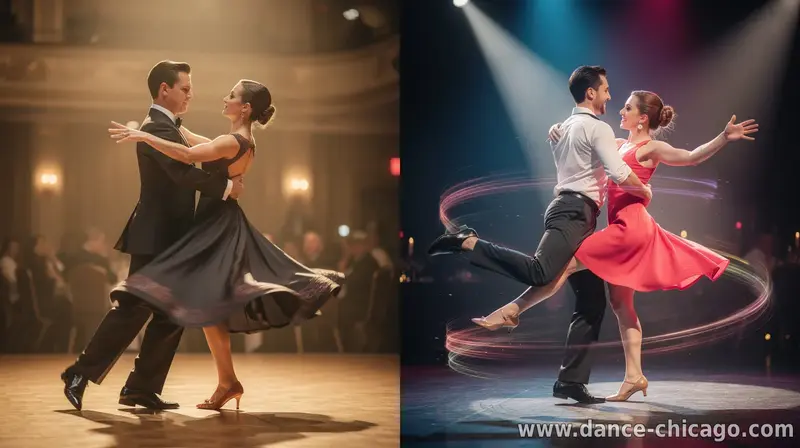
East Coast Swing is often taught with a focus on timing, grounded movement, and an elastic-but-controlled swing. The rhythm is typically easier to maintain for beginners, and the dance can feel steady and “smooth” even when played to upbeat tracks.
Jive, by contrast, is commonly faster and more percussive. It tends to emphasize quick actions, sharper accents, and more visible energy in the upper body and legs—so if you love momentum and don’t mind a more intense pace, jive usually feels like a natural match.
Footwork and movement: traveling patterns vs. springy accents
East Coast Swing generally features traveling basics and a shape that invites connection and smooth direction changes. The footwork is busy, but the overall look often leans toward flowing continuity—think gliding from one element to the next rather than “hitting” accents.
Jive commonly leans into springy, bouncy action. Footwork can feel more “staccato,” and movements are often more dramatic in scale, which can make it exciting for dancers who want their body to show the beat clearly.
Music fit: where each style shines on the floor
East Coast Swing is widely compatible with swing-era and contemporary swing music, and it’s often chosen for social dance settings where variety matters. If you want a style that works across many playlists—and keeps you comfortable staying relaxed while still looking active—East Coast Swing is a strong bet.
Jive is especially satisfying when the track feels upbeat, driving, and rhythm-forward. If you’re the type who wants a dance that “turns the volume up,” jive tends to reward that enthusiasm with bold, energetic visuals.
Choosing by your personality: which one matches your vibe?
If you’re deciding based on how you want to feel while dancing, use this quick guide:
- Pick East Coast Swing if you want smoother motion, more travel, and a steady groove you can refine over time.
- Pick Jive if you crave speed, stronger accents, and a more animated, high-energy look.
- Choose by comfort: if your body likes consistency, East Coast Swing may feel less demanding at first.
- Choose by excitement: if you enjoy “showing the beat,” jive can feel more instantly thrilling.
Neither style is “better”—they just reward different instincts. Many dancers even study both so they can pick the right tool for the music and the mood.
Ultimately, the best way to know is to try a beginner class or a social dance session for each. Watch how your body responds to the rhythm, how easily you can keep time, and whether you feel calm and connected (often East Coast Swing) or energized and expressive (often jive). Your energy will point you to the right dance.
Related materials
Be the first to share your opinion with others.