
- 09/20/2026
- 239 Views
- Comment
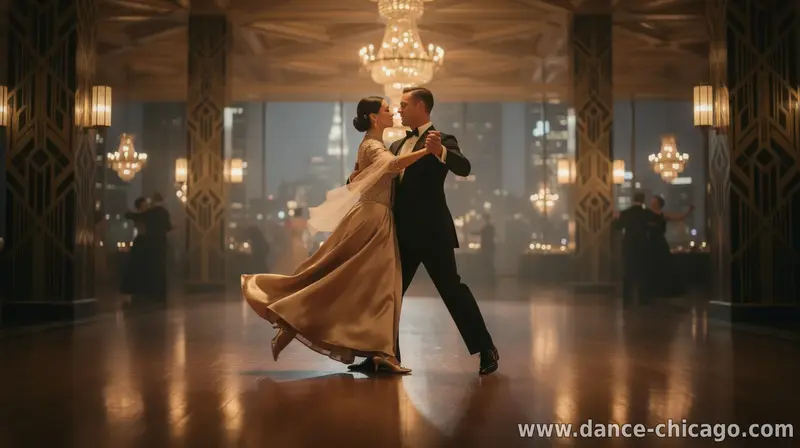
Chicago’s ballroom dance scene has a distinct rhythm: it’s equal parts tradition, community, and year-round momentum. While many cities host periodic ballroom events, Chicago’s ecosystem encourages consistent practice—helping dancers progress quickly and feel plugged in even outside competition season.
Part of what makes the scene unique is the way established dance culture and modern social energy coexist. Dancers often move between structured lessons, social dances, and performance opportunities, creating a setting where beginners can learn comfortably while experienced competitors keep raising the bar.
Multiple pathways: from social floors to competitions
For many dancers, Chicago offers options at every level. Social events provide a welcoming entry point, where practicing lead-and-follow basics can feel less intimidating. At the same time, the city has a clear pipeline for those who want to train more intensively for showcases and competitive circuits.
This dual-track approach matters: dancers don’t have to “choose sides” between community and performance. Instead, they can start in social settings, then gradually adopt the training routines—footwork, frame, timing, and partner connection—that competitions demand.
A local teaching culture built around technique
Chicago’s instructors are known for emphasizing fundamentals that transfer across styles, including ballroom’s emphasis on posture, weight control, and disciplined timing. That technique-first mentality gives the scene its consistency: whether you’re learning standard ballroom patterns or exploring a Latin-informed approach, the learning curve feels structured.
Just as important, many teachers tailor lessons to the realities of local schedules and budgets. Workshops, short clinics, and recurring group sessions help dancers stay engaged without needing an overwhelming time commitment.
Community that grows beyond the dance floor
Ballroom in Chicago is also social in a practical way. Dancers form friendships through recurring nights, shared practice sessions, and informal “rotation” moments where partners swap and everyone gets a chance to dance. That repetition builds confidence, and it also makes it easier for newcomers to find mentors.
Because the city is a hub of both arts and athletics, ballroom attracts people who enjoy refining performance skills—bringing a competitive spirit without losing the warmth of a community activity.
Chicago’s venues and seasons shape the experience
The city’s layout and weather also influence how the scene feels. Winter months tend to concentrate activity indoors, creating a steady cadence of lessons and dances that keeps dancers moving when outdoor plans would otherwise slow routines. In spring and summer, events often take on a more expansive feel, with more opportunities to practice in larger groups and showcase skills publicly.
And because Chicago neighborhoods vary in culture and energy, dancers often find a “home base” near where they live—making ballroom feel locally rooted rather than something only accessible downtown.
Ultimately, what makes Chicago’s ballroom dance scene unique is the balance: classic technique taught in a modern, community-driven way, supported by venues and events that keep dancers active year-round. Whether your goal is to dance for fun, perform on stage, or compete seriously, the city offers a pathway that feels both structured and welcoming.
Related materials
Be the first to share your opinion with others.