
- 10/12/2026
- 55 Views
- Comment
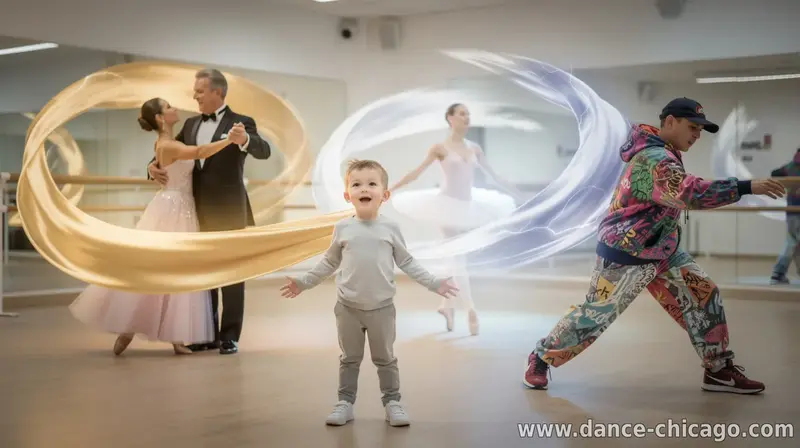
Picking the right dance program can feel overwhelming, especially with so many styles available. Ballroom, ballet, and hip-hop each build different skills—ranging from coordination and posture to rhythm, self-expression, and social confidence. The best choice for your child is the one they can enjoy regularly while learning safe, age-appropriate technique.
Ballroom typically focuses on partner work, musical timing, and structured movements. For many children, it becomes a confidence booster because they learn to connect with a partner, follow cues, and maintain good posture. It can be a strong option for kids who enjoy social interaction and clear routines.
At younger ages, ballroom classes often emphasize basic steps, balance, and frame—skills that translate well beyond dance. Families should look for programs that prioritize supervision, comfortable partner pairings, and teaching that avoids forcing children into advanced moves before they’re ready.
Ballet: Technique, posture, and discipline
Ballet is known for its attention to technique, alignment, and body control. It can help children develop strength in the core and legs, improve flexibility, and build disciplined practice habits. Many kids respond well to ballet’s clear progression and focus on fundamentals.
Because ballet emphasizes form and musicality, it may be especially rewarding for children who enjoy detailed instruction or who like quiet, concentrated learning. Parents should consider whether their child is comfortable with correction and repetition, and choose a studio that uses developmentally appropriate training for their age group.
Hip-Hop: Rhythm, energy, and creativity
Hip-hop centers on rhythm, groove, and self-expression. Compared with more traditional dance forms, it often feels more energetic and improvisational, which can be a great match for kids who learn best through movement and play. Hip-hop classes frequently encourage confidence—especially when students perform in fun, high-energy drills or group choreography.
For some children, hip-hop can be an entry point that builds motivation fast. Parents may want to confirm that the studio teaches technique for safe landing and body control, and that it uses an age-appropriate curriculum rather than relying only on fast, performance-style choreography.
How to choose: fit, goals, and the “keep going” factor
No matter which style you choose, the most important predictor of progress is whether your child wants to keep practicing. Start by matching the class to their personality: do they enjoy structured routines and partnering (ballroom), detailed technique and repetition (ballet), or high energy and creative performance (hip-hop)? Then consider practical goals—such as building posture and coordination, improving fitness, or developing confidence through performance.
If possible, arrange a trial class in each style. Pay attention to how your child responds during warm-ups and corrections, how they interact with instructors and classmates, and whether they finish the session excited to come back. A good program will communicate expectations clearly and create an environment where children feel challenged without feeling overwhelmed.
Ultimately, children don’t have to commit permanently to one genre. Many families rotate styles across semesters or add a second class once basics are established—especially when variety supports both physical development and long-term engagement.
Be the first to share your opinion with others.