
- 09/20/2026
- 294 Views
- Comment
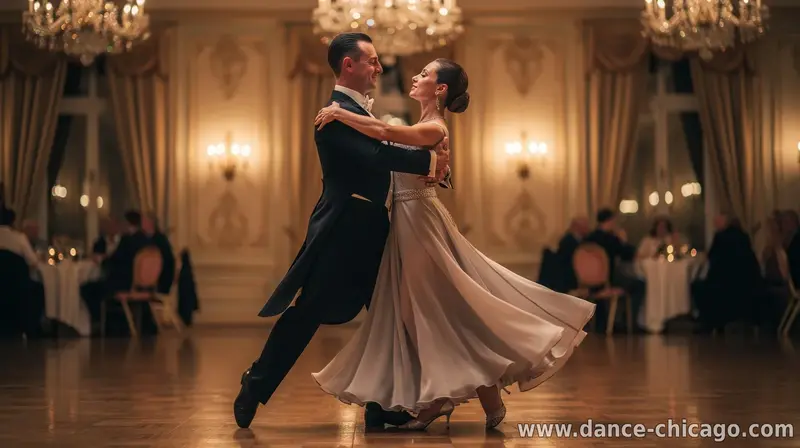
Ballroom dancing is often described as elegant and romantic, but for many couples it’s also practical: it creates a structured way to build trust. By learning to move together—at the same pace, in the same space—partners develop reliability, patience, and an intuitive sense of how the other person will respond.
Unlike everyday conversation, ballroom requires constant, subtle feedback. Foot placement, posture, frame, and timing all signal intention. Over time, couples learn that trust is not just a feeling; it’s something you rehearse through action.
Trust starts with shared timing
Most ballroom styles rely on rhythm and count-based movement, whether it’s the steady progression of a waltz or the sharp, controlled patterns of a quickstep. When one partner leads and the other follows (or both alternate roles), the pair practices a repeated lesson: small adjustments matter. That helps reduce hesitation and builds confidence that the connection will hold when conditions change.
For couples new to dance, starting with basic steps at a comfortable tempo can make the difference between frustration and progress. As the couple becomes more consistent, they often report feeling more secure—on the dance floor and beyond—because they’ve experienced dependable coordination.
Nonverbal communication becomes a skill
In ballroom, there’s little room for misinterpretation once you understand the “language” of movement. A proper frame, gentle contact points (where appropriate), and clear lead signals communicate direction, speed, and readiness. Followers learn how to read these cues, while leaders learn how to deliver them without overcorrecting or rushing.
This kind of nonverbal dialogue can translate into everyday relationship skills. Couples who practice listening—watching, responding, and staying present—often find it easier to navigate conflict or uncertainty because they’ve already practiced calm communication under pressure.
Safety and etiquette shape emotional comfort
Trust also grows from boundaries. Ballroom etiquette—such as maintaining personal space, respecting partner signals, and using a respectful dance hold—reduces ambiguity. Instructors frequently emphasize control and comfort, encouraging partners to stop, reset, or slow down when needed.
That consistent “permission to adjust” can be reassuring. It normalizes learning in public, where mistakes happen, and reinforces that the relationship isn’t judged by perfection—only by the willingness to try again.
Simple practice drills couples can do
Couples don’t need years of training to get relationship benefits. Many instructors suggest short, repeatable drills that focus on connection rather than complexity:
- Count practice: Step together on the same counts for several minutes before adding turns.
- Lead-and-follow reset: Pause after each phrase to confirm posture, frame, and readiness.
- Micro-adjustments: Work on moving one beat at a time to reduce overreaching.
- Tempo swaps: Practice the same pattern at a slightly faster and slower speed to build responsiveness.
- Spot-check alignment: Regularly confirm distance, orientation, and balance before continuing.
Over time, these exercises help couples trust not only their partner, but the process itself—showing that progress comes from attention and collaboration.
Ballroom dancing can also be a shared social activity, whether it’s attending a class together, joining a beginner-friendly group, or practicing at home. Those repeated moments—preparing, learning, laughing, and trying again—create a positive loop that strengthens the relationship.
Ultimately, ballroom is more than choreography. When couples learn to coordinate with patience and respect, movement becomes a direct route to trust: one step, one count, and one clear signal at a time.
Related materials
Be the first to share your opinion with others.