
- 10/12/2026
- 70 Views
- Comment
Ballroom dancing has long been associated with style and social connection—but it can also function as a practical exercise option. From waltz and tango to cha-cha and quickstep, the mix of continuous movement, posture control, and rhythmic footwork can raise heart rate and burn calories, while generally keeping impact low.
For many dancers, the appeal is not only aerobic benefits but also the feeling of “working through” the body rather than repeatedly pounding it. That said, the best results come from matching the dance intensity to your fitness goals and taking basic precautions to protect joints.
How many calories does ballroom dancing burn?
Calorie burn depends on duration, body weight, skill level, and the specific style. In general, dancing tends to fall into a moderate-intensity range—though fast, energetic styles or longer sessions can push it higher. A sustained social dance session can contribute a meaningful portion of daily activity, especially when you’re moving continuously rather than taking frequent breaks.
Beginners may burn calories more slowly at first due to shorter, less sustained sequences and more time spent resetting positions. Over time, improved technique and confidence often translate into longer continuous movement, which can increase both total calorie burn and cardiovascular demand.
Is ballroom dance good cardio?
Yes—ballroom dancing can provide cardio, particularly when it elevates your heart rate to a moderate zone for extended periods. The cardiovascular “feel” varies: a slow-to-moderate tempo waltz may resemble a brisk walk, while quicker dances like cha-cha or quickstep can feel more like a sustained interval.
As a rule of thumb, if you can talk but not sing comfortably, you’re likely in a moderate-intensity range. Using a heart-rate monitor or a wearable can help you confirm whether your sessions consistently provide the intensity you’re aiming for.
Why it can be joint-friendly
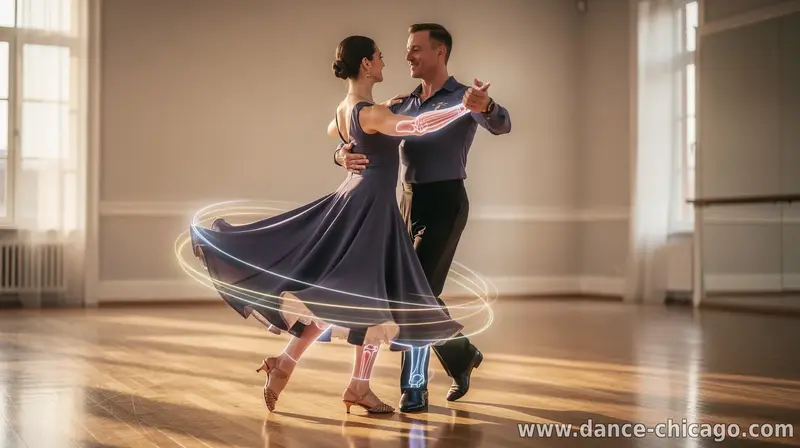
Ballroom dancing is typically low-impact compared with running or jumping-focused workouts. The movement patterns emphasize controlled steps, weight shifts, and coordinated upper-body posture, which can reduce repetitive shock through the lower limbs. When technique is sound—particularly foot placement, knee alignment, and a stable core—many dancers find the activity more comfortable for everyday joints.
That doesn’t mean it’s automatically safe for everyone. People with active injuries, chronic pain flare-ups, or significant mobility restrictions should consult a clinician or physical therapist, and consider starting with gentler tempos and shorter sessions.
Tips to make it safer and more effective
To maximize benefits and minimize strain, approach ballroom practice like any workout: prepare the body, then build duration and intensity gradually. A short warm-up can improve circulation and joint readiness, while attention to posture helps distribute load through the trunk rather than overloading hips or knees.
- Warm up 5–10 minutes: easy marching, shoulder rolls, ankle mobility, and light stretching.
- Choose styles that match your fitness: start with slower dances if you’re new to cardio.
- Prioritize technique over speed: smooth foot placement and upright alignment reduce compensations.
- Use smart progression: add time and intensity gradually, especially if you’re increasing frequency.
- Plan recovery: stay hydrated and rest between heavier sessions to avoid overuse.
When possible, consider taking lessons or working with a coach who can correct alignment and movement mechanics. That feedback can matter—especially for dancers who experience discomfort related to foot mechanics, balance demands, or uneven step patterns.
A simple “ballroom cardio” routine
If you want ballroom dancing to function more like a structured workout, aim for consistency rather than perfection. For example, practice sessions can be organized into warm-up, continuous dancing sets, and a cooldown. Even a few shorter, continuous blocks can add up—particularly if you keep breaks brief and maintain a steady pace.
Over several weeks, you can track improvements by how long you can dance comfortably, how quickly you recover, and whether your heart-rate response becomes more efficient. Many people also notice secondary fitness gains—core endurance, balance, and leg control—that support safer movement in daily life.
Bottom line: ballroom dancing can be a calorie-burning, heart-rate-raising, joint-friendly workout for many people. By selecting appropriate styles, paying attention to technique, and building intensity gradually, you can turn time on the dance floor into a sustainable form of exercise.
Related materials
Be the first to share your opinion with others.